Practically · What it costs
What does living in Medellín cost?
The 2026 minimum wage comes to exactly two million pesos including the transport allowance, and almost everything else is counted from it. One person gets by frugally on about 4 million pesos a month, normally on 8 and comfortably on 12.5, which is roughly one, two and three thousand dollars. The neighbourhood makes a bigger difference than the spending.
Checked 31 August 2026
There are two ways to answer the question "what does it cost there" and both are useless.
The first is an internet average: Medellín for eleven hundred dollars a month. The second is an anecdote: a friend was there and had lunch for four dollars. The first number applies to nobody in particular, the second applies to one lunch.
This page tries something else. First the anchors, the numbers the whole country leans on and which change once a year. Then ranges by category from research, so you know what a normal price looks like and what a foreigner's price looks like. And finally my own receipts, which carry their own dates and sit below the text, because they are the only numbers I can vouch for.
The anchors everything is counted from
The minimum wage for 2026: 1,750,905 pesos a month. On top of it a transport allowance of 249,095 pesos, so somebody on the minimum ends up with exactly two million. Remember this, because in Colombia almost everything is counted in minimum wages: the income required for a visa, health contributions, the threshold for the transport allowance, fines.
A practical conversion: two million pesos is roughly five hundred dollars. Not as what most people earn, but as the floor an employer cannot go below.
The exchange rate. In the summer of 2026 it is around four thousand pesos to the dollar. The converter on this site uses the current rate, so you do not have to do the arithmetic on the numbers in the price records.
Metro fares from 10 January 2026: 3,820 pesos for an ordinary ride with a Cívica card, 4,400 without one, 3,330 for seniors, 1,600 for students. Transfers between metro, tram and cable car are included; the tourist cable car to Arví is charged separately.
How prices are written and spoken here
Before you start comparing, you need to know what is on the label.
A dot separates thousands, a comma is decimal. 1.750.905 is one million seven hundred fifty thousand, not one point seven. Miss that and you are out by three orders of magnitude.
People speak in thousands. "Veinte mil" means twenty thousand pesos, and in ordinary speech it gets shortened to "veinte". If somebody tells you it costs twenty, they mean twenty thousand.
Tax is included. The standard rate is nineteen per cent and the shelf price already contains it. Restaurants charge an eight per cent consumption tax instead, so what is on the menu is what you pay, not a fifth more.
Coins under fifty pesos are not used and prices are routinely rounded to fifty or a hundred. Nobody owes you twenty pesos and nobody asks you for them.
Housing, the item that decides
Rent is the only thing where the difference between neighbourhoods is measured in multiples rather than percentages. Ranges as of summer 2026, per month, unfurnished against furnished:
- El Poblado: an unfurnished one bedroom roughly 3.5 to 5 million pesos, furnished 4.5 to 7 million and up.
- Laureles: unfurnished 2.2 to 3 million, furnished 3.5 to 5.5 million.
- Envigado, Sabaneta, Belén: usually below the Laureles line, with two bedroom flats commonly at 2 to 3 million.
In dollars: a furnished studio in Laureles runs around nine hundred to fourteen hundred a month, the same thing in El Poblado easily half as much again.
And now what the listing does not say.
Administración, the building fee. In an ordinary building a few hundred thousand pesos, in a tower in El Poblado with a pool, a reception desk and security easily 600,000 to 800,000 a month. It is a separate item on top of the rent.
Utilities. An ordinary flat 150,000 to 300,000 pesos a month, and with internet and gas together more like 350,000 to 600,000. And mind the estrato: for the same consumption an address in estrato 6 pays a surcharge that subsidises estratos 1 to 3. The details are in the Medellín guide.
The first months cost more than the rest of the year will. A long term contract normally wants a local co-signer or rent insurance, which a foreigner does not have on arrival, so you start in a short term rental at twice the price. It is not a scam, it is the normal state of things and worth planning for.
Deposits are illegal, and you will still pay something
This surprises everyone arriving from Europe: a cash deposit on a residential lease is prohibited in Colombia. The urban housing tenancy act, Ley 820 of 2003, forbids it, and it is not a formality you can agree your way around.
What the law does allow instead:
- rent insurance, a póliza paid by the tenant, covering the landlord against non-payment,
- a co-signer (codeudor or fiador), usually a Colombian with property and income,
- a guarantee for utility bills, but only up to the value of those utilities, no more.
That is why nobody asks you for three months up front and everybody asks for a co-signer, which a foreigner does not have on arrival. Hence the short term rental for the first months and its higher price.
One more thing from the same law: rent may be raised at most once every twelve months, and by no more than the previous year's inflation. If a letter arrives mid year announcing twenty per cent, you are entitled to ask on what basis.
Food: two economies side by side
Medellín has two price levels and both of them are real.
The menú del día is a three course lunch: soup, a main with meat, rice, plantain, salad and a juice. In a local place it costs roughly 15,000 to 25,000 pesos, and in cheaper neighbourhoods you will find it under fifteen. For four to six dollars you eat well enough not to be hungry until the evening.
A place aimed at foreigners is another league. A main course in a café in El Poblado is commonly 30,000 to 45,000 pesos, a coffee 8,000 to 15,000, a beer 8,000 to 18,000, a glass of wine over 25,000, because wine is imported.
Groceries: fruit and vegetables at the market are absurdly cheap, imported goods are dearer than at home. Cheese, cured meat, olive oil, cereal and anything with a foreign label costs more than you expect. Cook what grows here and you save; cook the way you cooked at home and you pay.
Transport
- Metro and cable cars: 3,820 pesos a ride, about a dollar, transfers included.
- Uber or DiDi across town: commonly 10,000 to 30,000 pesos depending on distance and time of day.
- Intercity bus: Medellín to the towns within two hours usually 15,000 to 30,000 pesos.
- A domestic flight: booked ahead it can be cheaper than a taxi to the airport; booked the day before it costs a multiple.
You do not need a car in the city, and not having one saves you parking, petrol and temper.
Phone, internet and work
A Claro plan with unlimited data cost me 53,900 pesos a month, about thirteen dollars, but I only got it because a local signed for me. Without that you are on prepaid, which for my use, a hotspot for the laptop, comes out noticeably more expensive.
Home internet is usually part of the utility bill and in an ordinary flat it is not an item worth arguing about.
A coworking space is either a monthly fee or nothing at all, because half the cafés in Laureles and El Poblado do the job for the price of a coffee.
Health
Here you choose between three things and the difference shows up when something goes wrong.
- EPS, the public system. Self employed people contribute 12.5 per cent of a declared base, and the base cannot be lower than the minimum wage. In practice that means about 219,000 pesos a month in 2026 as the floor.
- Prepagada, private cover on top of EPS. Younger people pay roughly 200,000 to 400,000 pesos a month, rising steeply past fifty. You buy it so you do not wait months for a specialist.
- Travel insurance from home. Simplest for stays of a few months and often required for a visa. It does not cover long term care, it covers an accident.
A private doctor's appointment without insurance is commonly around 150,000 pesos. Medicines are cheap compared to Europe and more things are available over the counter, which is convenient right up to the point where you start treating something a doctor should see.
The services nobody counts and everybody pays for
A barber, laundry, cleaning, repairs, Spanish lessons, the gym. Small amounts that together make the difference between a budget that works and one that does not.
This is exactly the part I keep adding to the price records, with the date and the place. The numbers below the text come from receipts, not from estimates, and they age more slowly than a sentence in an article, because they are corrected in one place.
What the one off purchases cost
This is where Colombia and Europe diverge most.
Electronics are expensive. Phones, laptops, headphones: almost all of it is imported and the duty and tax show up in the price. If you are coming for a long stay, bring your kit with you.
Furniture and household goods are the opposite, cheap if you buy local. Furnishing an empty flat comes out considerably better than paying the furnished premium, though it only makes sense from about six months of staying.
Things made here cost little. Tailoring, repairs, alterations, the cobbler. Medellín was a textile city and it still shows in what a repair costs.
Glasses, accessories, brands. I logged a pair of sunglasses from a local brand at 199,000 pesos, about fifty dollars. Not the cheapest option, and exactly the kind of expense that disappears in an average and does not disappear from a budget.
Three monthly budgets
These are models, not my own spending. One person in Medellín, flights and visa excluded:
Frugal: a flat in Belén or Envigado, cooking at home, the metro. Rent with utilities around 2.5 million, food 900,000, transport 150,000, phone 55,000, health 220,000, other 300,000. Roughly 4.1 million pesos, about a thousand dollars a month.
Normal: a furnished flat in Laureles, lunch out, the occasional Uber. Rent with utilities and the building fee around 4.5 million, food 1.5 million, transport 400,000, phone 55,000, health 500,000, other 800,000. Roughly 7.8 million pesos, about two thousand dollars.
Comfortable: El Poblado, restaurants, taxis, prepagada. Rent with everything around 7 million, food 2.5 million, transport 700,000, phone 100,000, health 700,000, other 1.5 million. Roughly 12.5 million pesos, about three thousand dollars.
The gap between the first column and the third is threefold, and it is the same city.
Four ways to lose money
Paying by card in your own currency. When the terminal or the cash machine asks whether you want to pay in euros or dollars, say no. The rate is set at that moment by the party asking, and it is not set in your favour. Always pay in pesos.
Withdrawing from a cash machine in the street. Fees differ by bank and you only see them on the screen. Withdraw inside a bank or in a shopping centre, take larger amounts at once, and check what the machine charges before you confirm.
The foreigner's price. Not a rule, but it exists: at markets, in taxis without a meter, and for services with no price on display. The best defence is knowing the normal price and asking before, not after.
Tipping. Restaurants commonly add a voluntary ten per cent propina. It is voluntary and they are supposed to ask, not to add it silently. If it is on the bill and you do not want to pay it, say so; it is normal and nobody takes offence.
How to work out your own budget rather than somebody else's
Averages lie, because the average person does not live here. What works:
- Write down everything for thirty days, including the eight thousand peso coffee. Without it you are estimating, and an estimate always comes out lower than reality.
- Split it into three piles: housing, food, everything else. For most people housing is half of it and the rest is the part you can actually influence.
- Multiply the rent by 1.3. The building fee, electricity, water and internet come to roughly that much on top.
- Add a reserve for one flight home. Not because you will take it, but because if something happens you do not want to be doing this arithmetic.
How to read the numbers in this guide
The anchors at the top come from public sources and carry a year. The ranges for rent and food come from research and mean "this is what it looks like", not "this is what it is". The numbers below the text come from my receipts, carry a date and a place, and keep coming.
If you want to know what it really costs, look at those. The rest is orientation.
What it costs
All prices- Arroz sofrito with prawns per a set lunch68 000 COPabout 21 USD10 September
- Grilled tilapia per a set lunch56 000 COPabout 18 USD10 September
- Ginger lemonade per a glass9 000 COPabout 3 USD10 September
- Agraz per a 250 g punnet15 900 COPabout 5 USD10 September
- Gold pineapple per 500 g3 100 COPabout 1 USD10 September
- Hass avocado per 500 g5 750 COPabout 2 USD10 September
- Large avocado per a piece6 400 COPabout 2 USD10 September
- Bacardí Añejo per a 700 ml bottle67 200 COPabout 21 USD10 September
- Bananas per 500 g1 740 COPabout 1 USD10 September
- Blueberries per a 125 g punnet7 760 COPabout 2 USD10 September
- Potatoes (papa capira) per 500 g2 210 COPabout 1 USD10 September
- Broccoli per 500 g4 420 COPabout 1 USD10 September
What I wrote about it
September
2026
17 entries
10 September · Article
Driving in Medellín: the day of the week your car stays home
The last digit of your number plate keeps the car off the streets one day a week, from five in the morning to eight in the evening, across the whole valley. Plus the licence that expires after six months, a fine over six hundred thousand pesos, and road death figures that make me uneasy.
10 September · Article · La Candelaria, Medellín
No water after eight in the evening. What is going on in Medellín
Three hundred thousand people in six communes have had water every other day since late August. The city broke its temperature records in May, Ideam expects a strong El Niño into March, and the grid operator warns that power may not stretch through December. What the rule says, why it landed on the hillsides, and what it means for a trip.
10 September · Article · La Casa del Alimento, Medellín
A lunch where the meat dries on a washing line
A Colombian lunch is not one dish, it is a whole set for one price. Two mains, two desserts, two coffees and a lemonade came to 146,000 pesos. And in that restaurant's yard, beef hangs drying.

10 September · Article · Conquistadores, Medellín
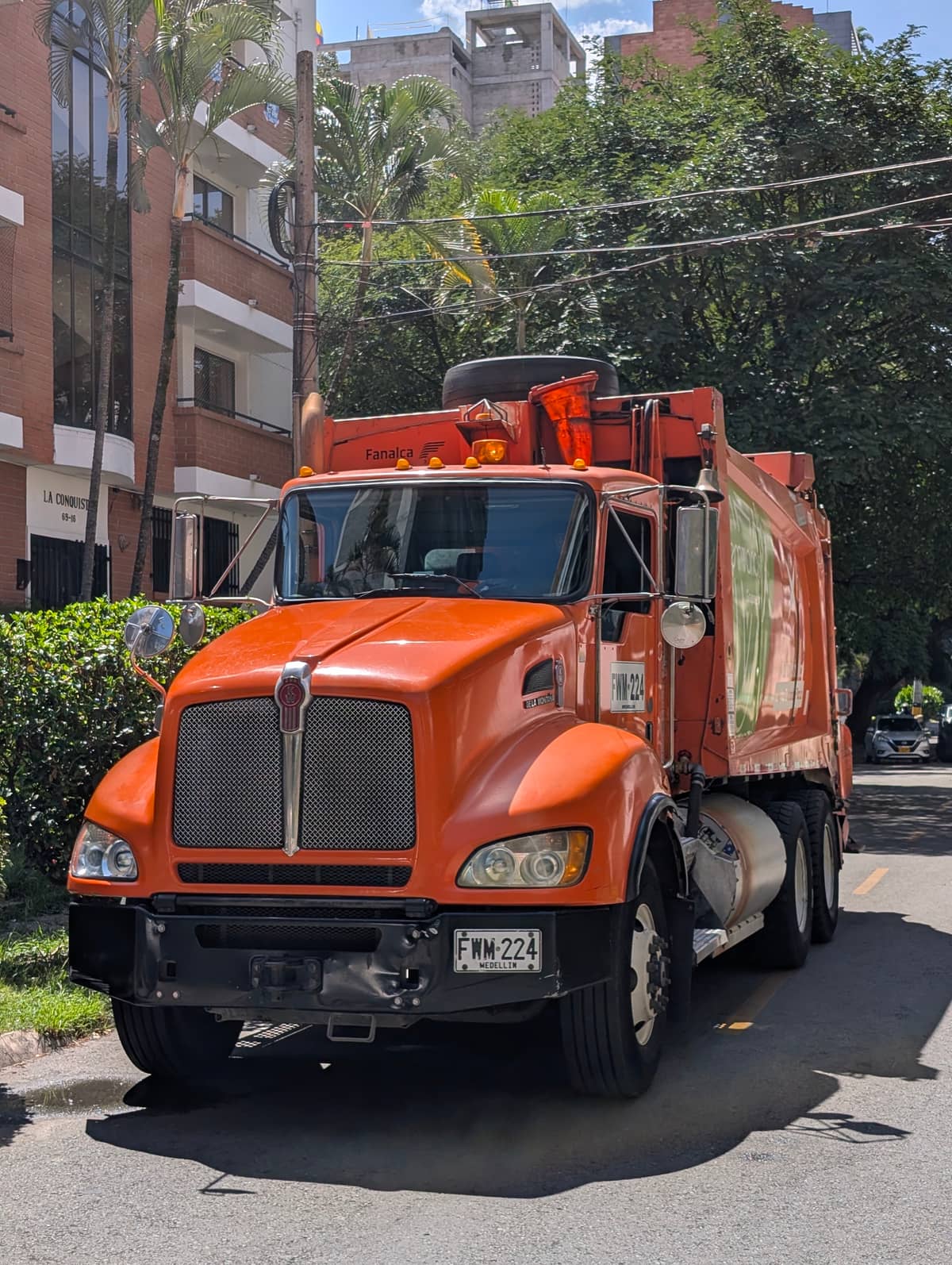
The bin men of Medellín
A garbage truck with a slogan saying this city is a little silver cup. Who runs it, where the waste goes, why the landfill has eight years left, and how the people who open bags on the street come to be paid out of the water bill.
10 September · Article · Comuna 8, Villa Hermosa, Medellín
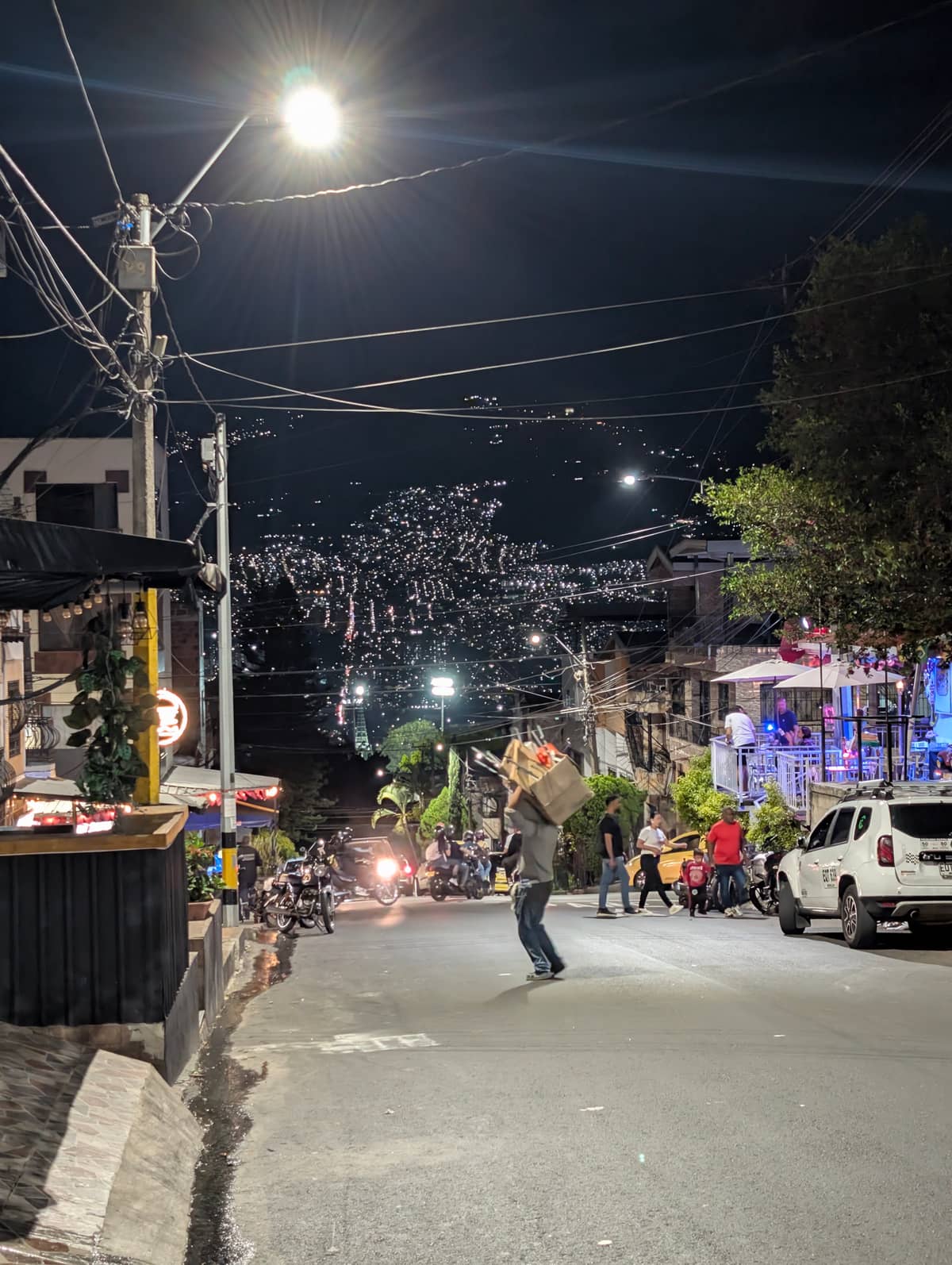
Villa Hermosa after dark
A house with almost no windows, hot rice pudding with cheese, and a slope full of lights right up to the ridge. And the only thing that made me uneasy was not what someone who has read about comuna 8 online would expect.
8 September · Article · El Poblado, Medellín
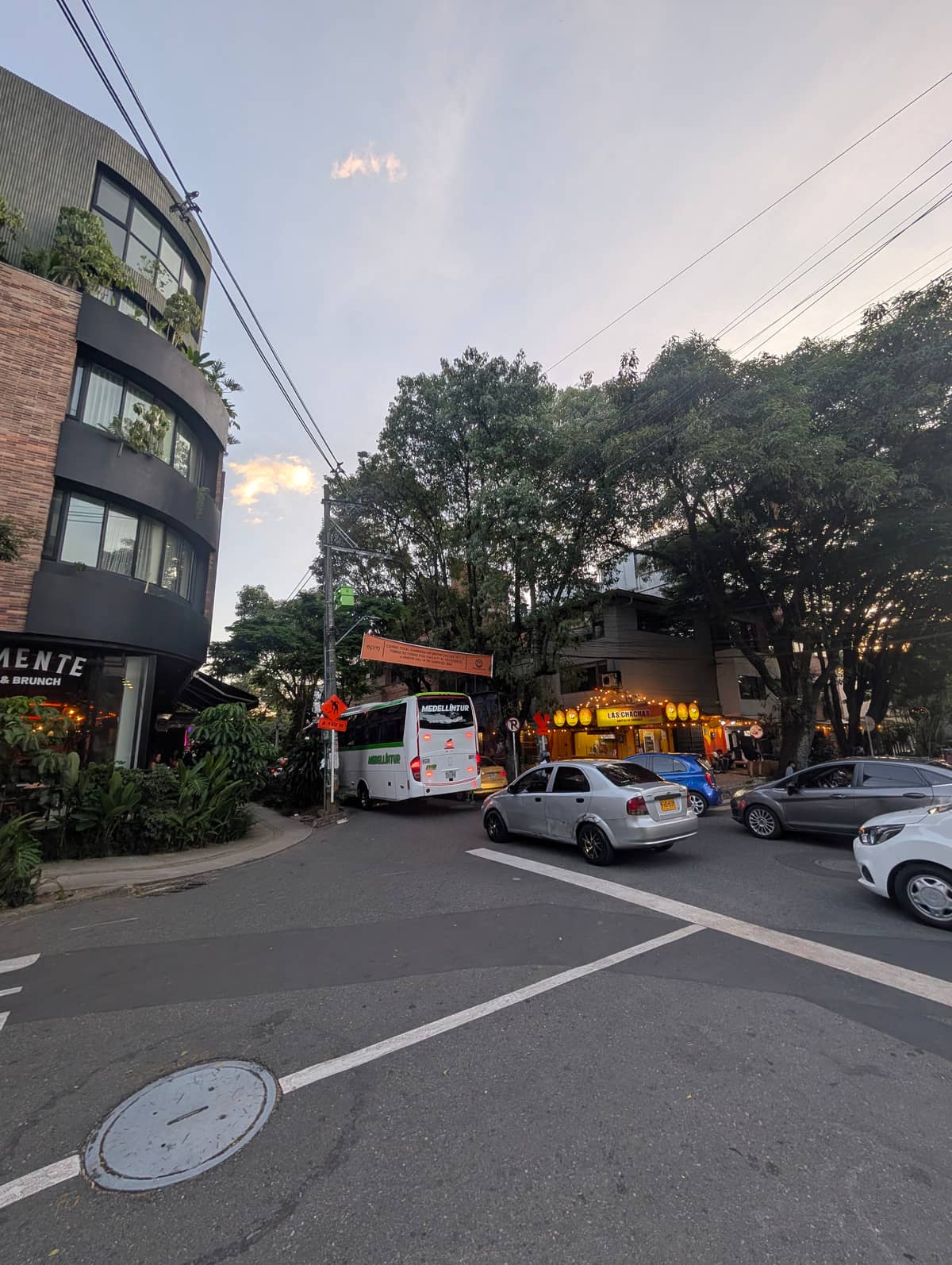
El Poblado after dark
The district where Medellín was founded in 1616 and where almost everybody who flies into the city now sleeps. Provenza with lights in the trees, the singer Karol G's restaurant, a road sign saying tourist zone, and a bill that sums it all up.
8 September · Note · La Candelaria, Medellín
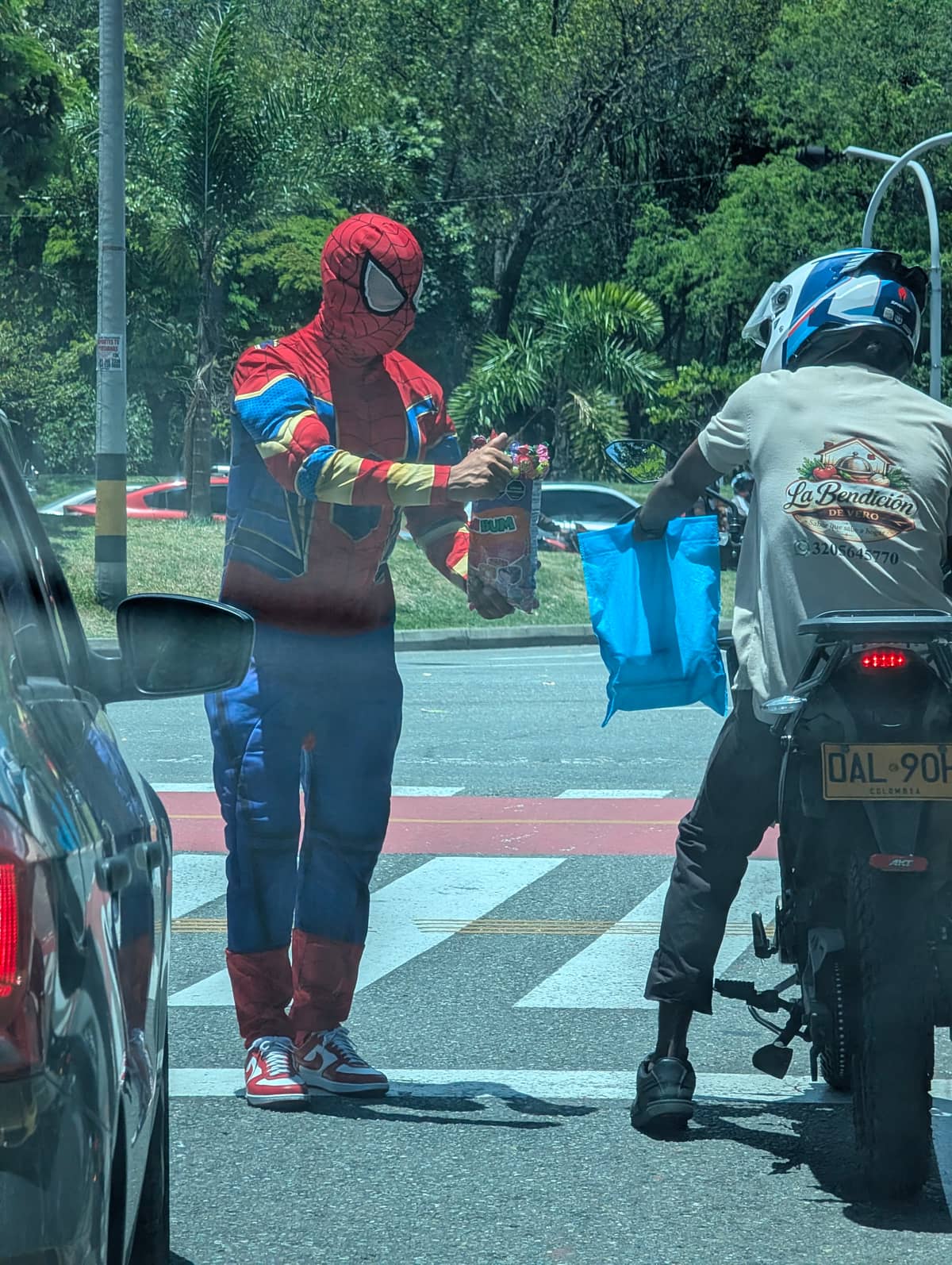
At a junction on Carrera 55, Spider-Man stands at a red light selling…
At a junction on Carrera 55, Spider-Man stands at a red light selling sweets between the cars. A motorbike rider behind him, a water stall beside him.
8 September · Note · Café Mattelsa, Medellín
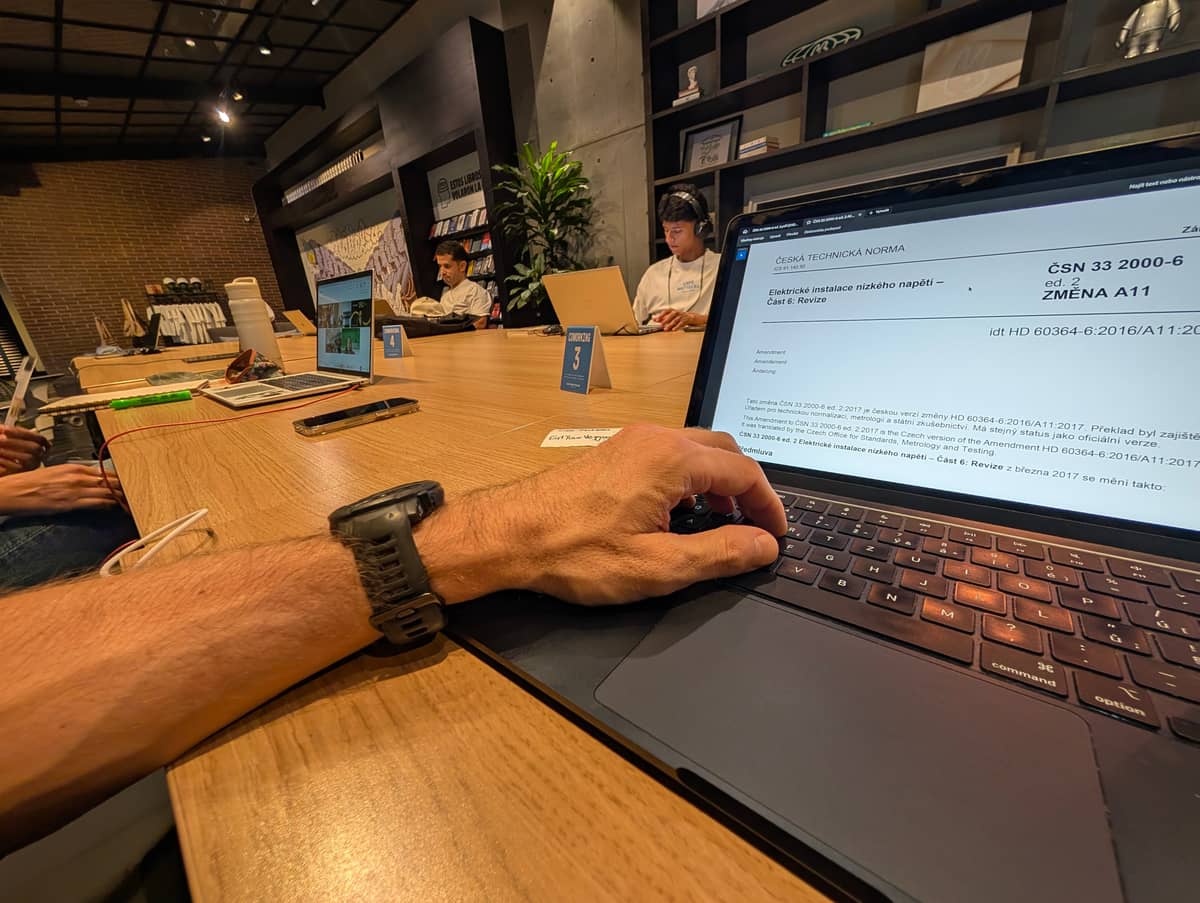
Café Mattelsa, two hours, one coffee and a kombucha. A Czech standard…
Café Mattelsa, two hours, one coffee and a kombucha. A Czech standard for electrical installations on the screen, a palm tree outside the window, people with laptops all around, and nobody making a…
7 September · Note
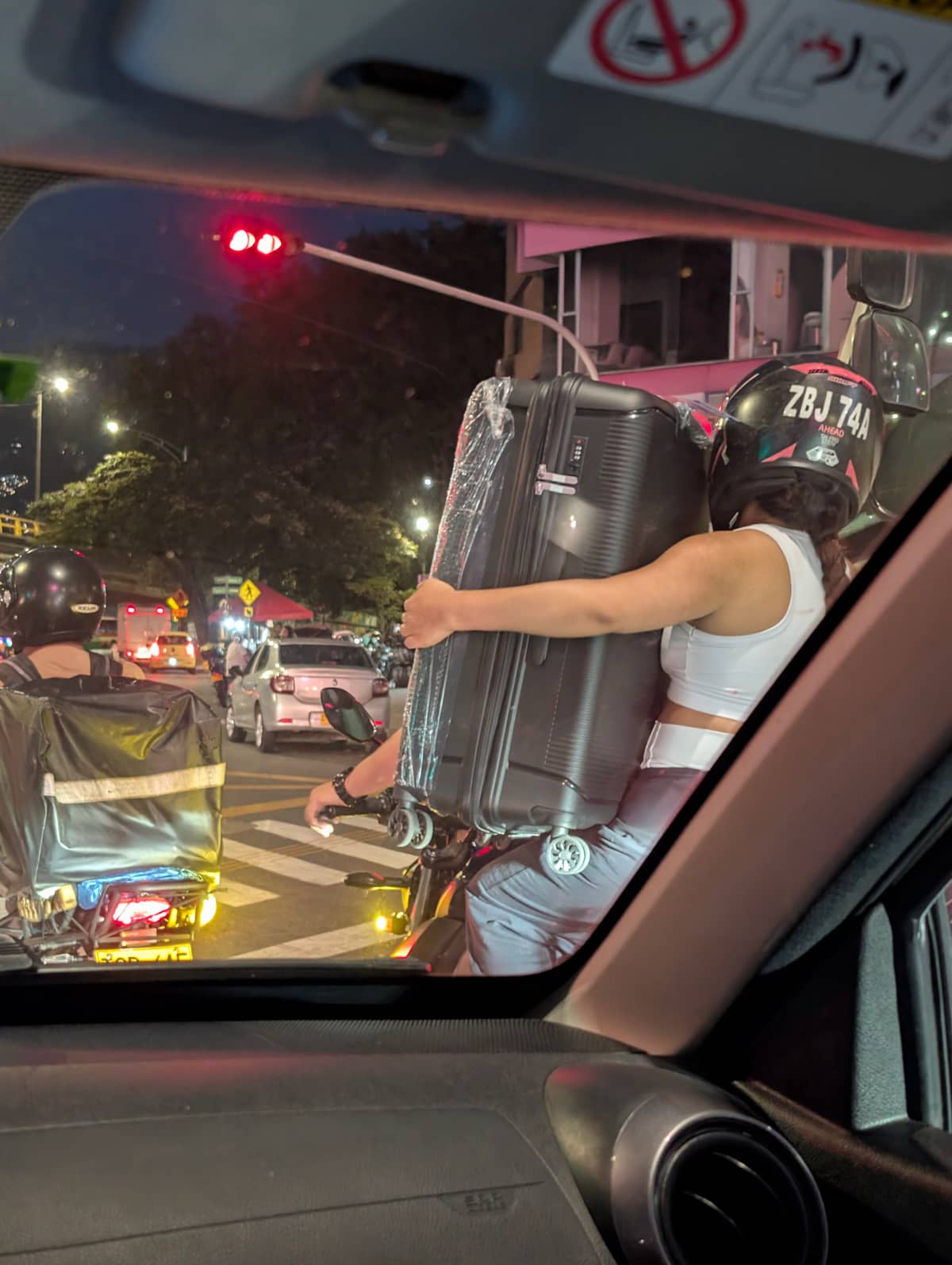
A pillion passenger on a motorbike carrying a large wheeled suitcase…
A pillion passenger on a motorbike carrying a large wheeled suitcase. One arm clamped around it, the other around the rider, knees against the tank, riding in traffic between the cars.
6 September · Article · Comuna 8, Villa Hermosa, Medellín
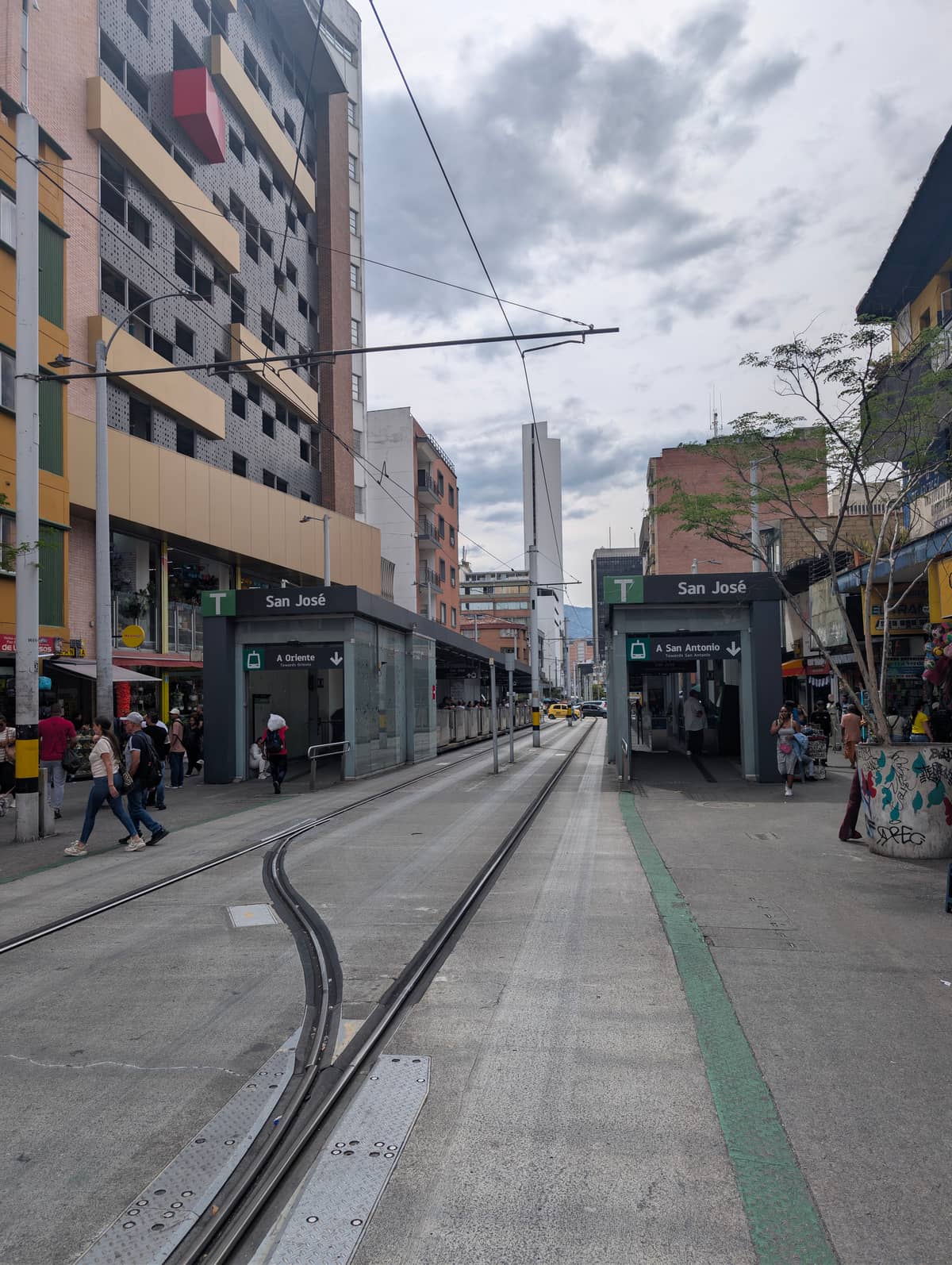
Up by cable car, down for an arepa
A tram on rubber tyres takes you from the centre to the edge of the city, and a cable car lifts you from there over the roofs of comuna 8. Back down there was an arepa festival, parakeets in a tree, a café in the house by the church, and a concert hall underground.
6 September · Article · La Candelaria, Medellín
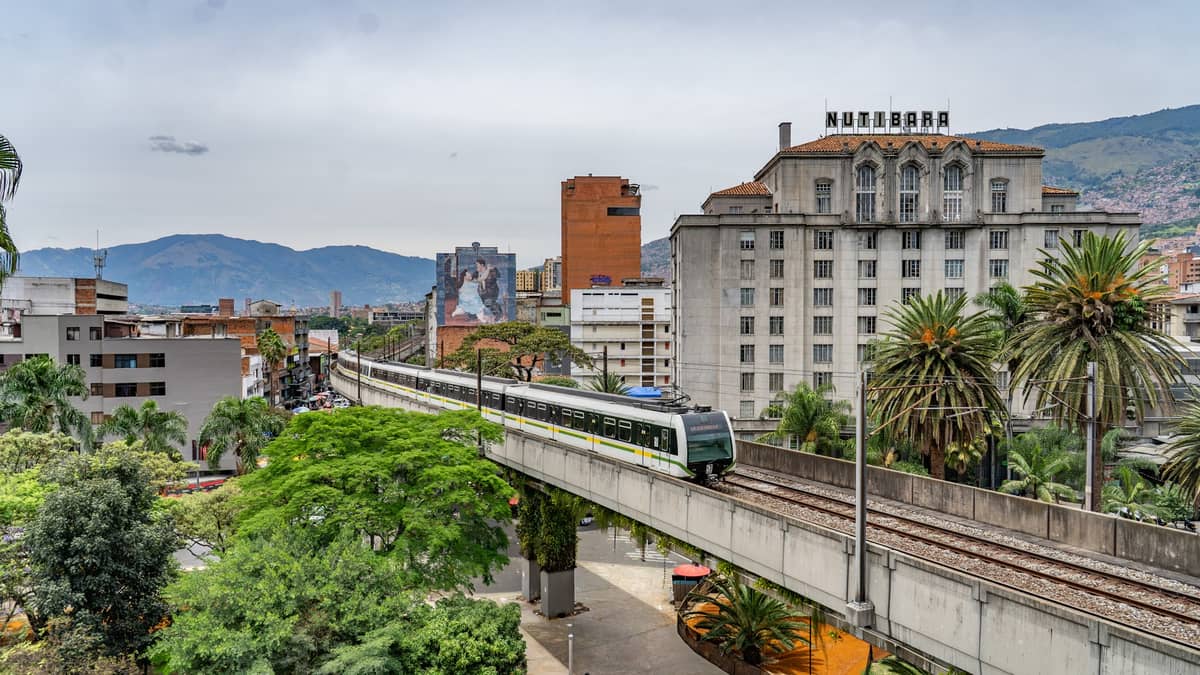
El centro: the day I finally saw the city
Every second person told me not to go into the centre of Medellín. I went by metro, cleaner than the one at home, and found a palace with a chequerboard facade, twenty three Botero sculptures, a cathedral made of a million bricks, and a market that has run since the seventies.
5 September · Note
The botanical garden was closed. Not for a holiday or repairs: they…
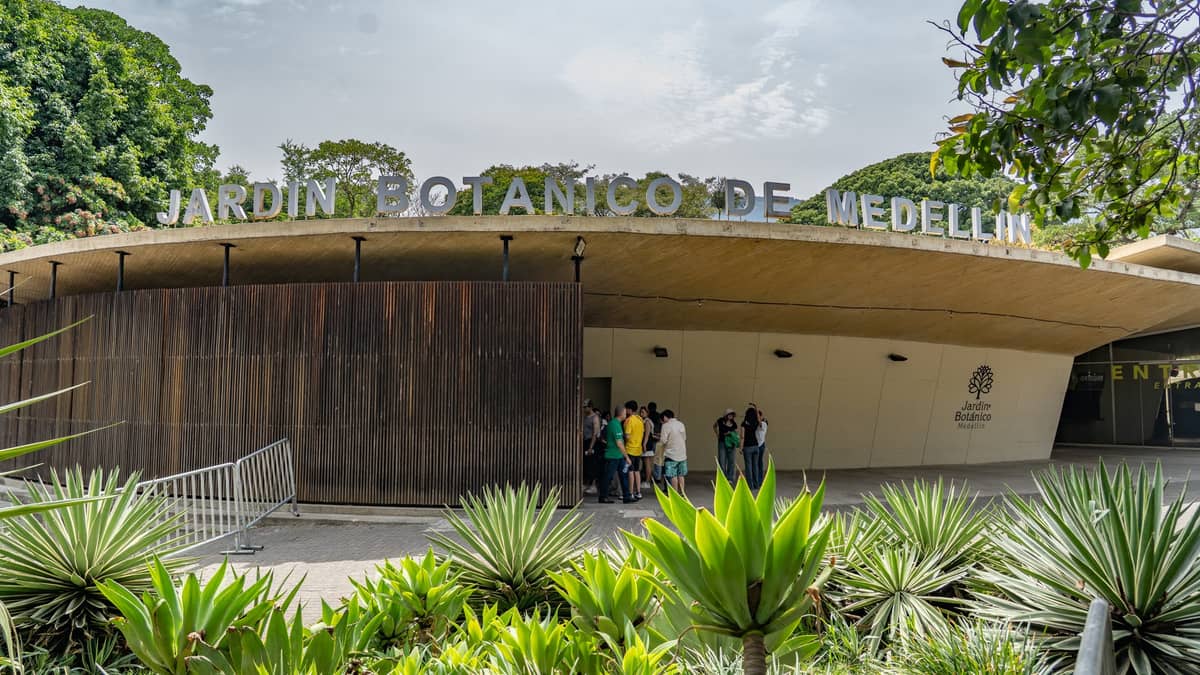
The botanical garden was closed. Not for a holiday or repairs: they are building the Fiesta del Libro y la Cultura inside it, the city's book festival, in its twentieth year and running from 11 to 20…
4 September · Article · Comuna 8, Villa Hermosa, Medellín
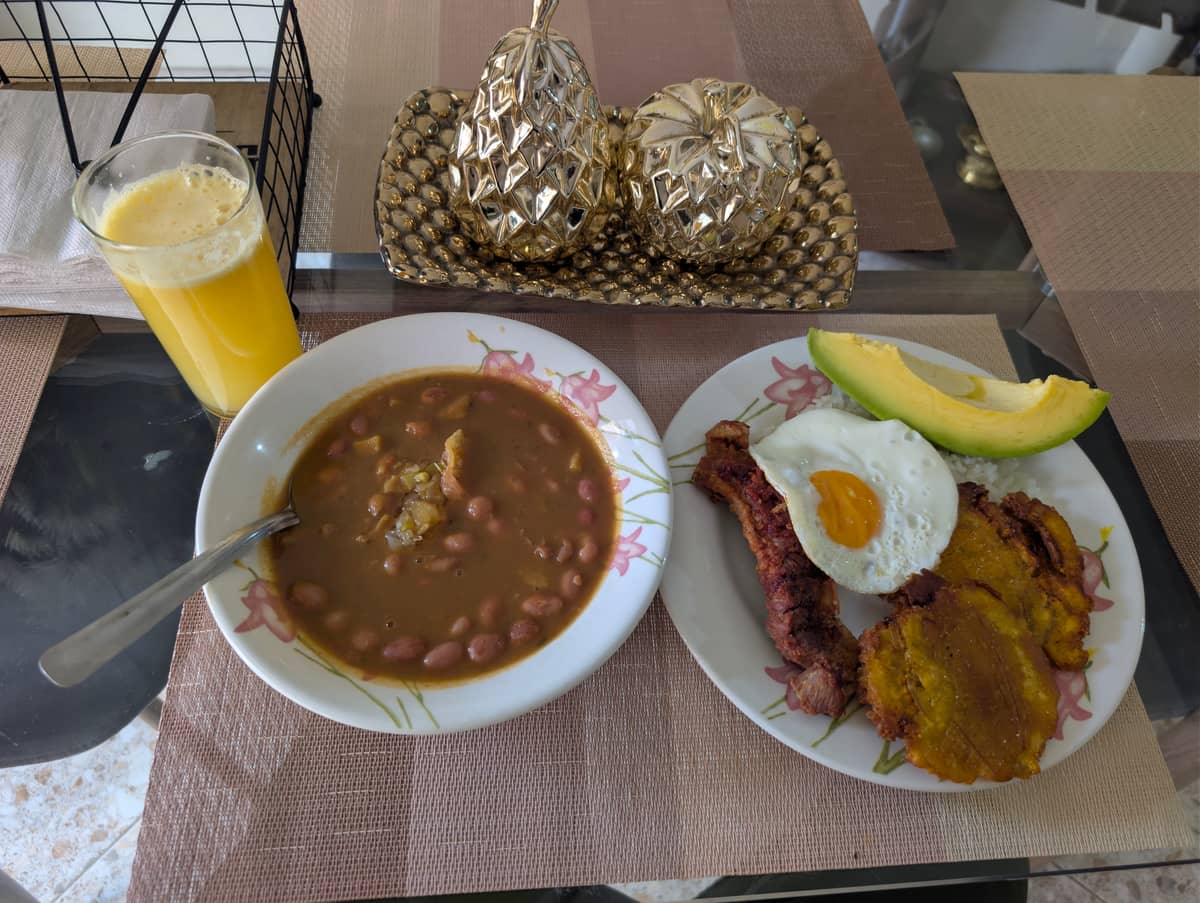
Villa Hermosa: lunch, a church and a market
Comuna 8 up close, not from the cable car. A home cooked bandeja paisa with chicharrón, the brick church of La Sagrada Familia, stalls on the pavement, and traffic that runs on eye contact. On the way back, a stop among the villas of Prado.
3 September · Article · El Poblado, Medellín
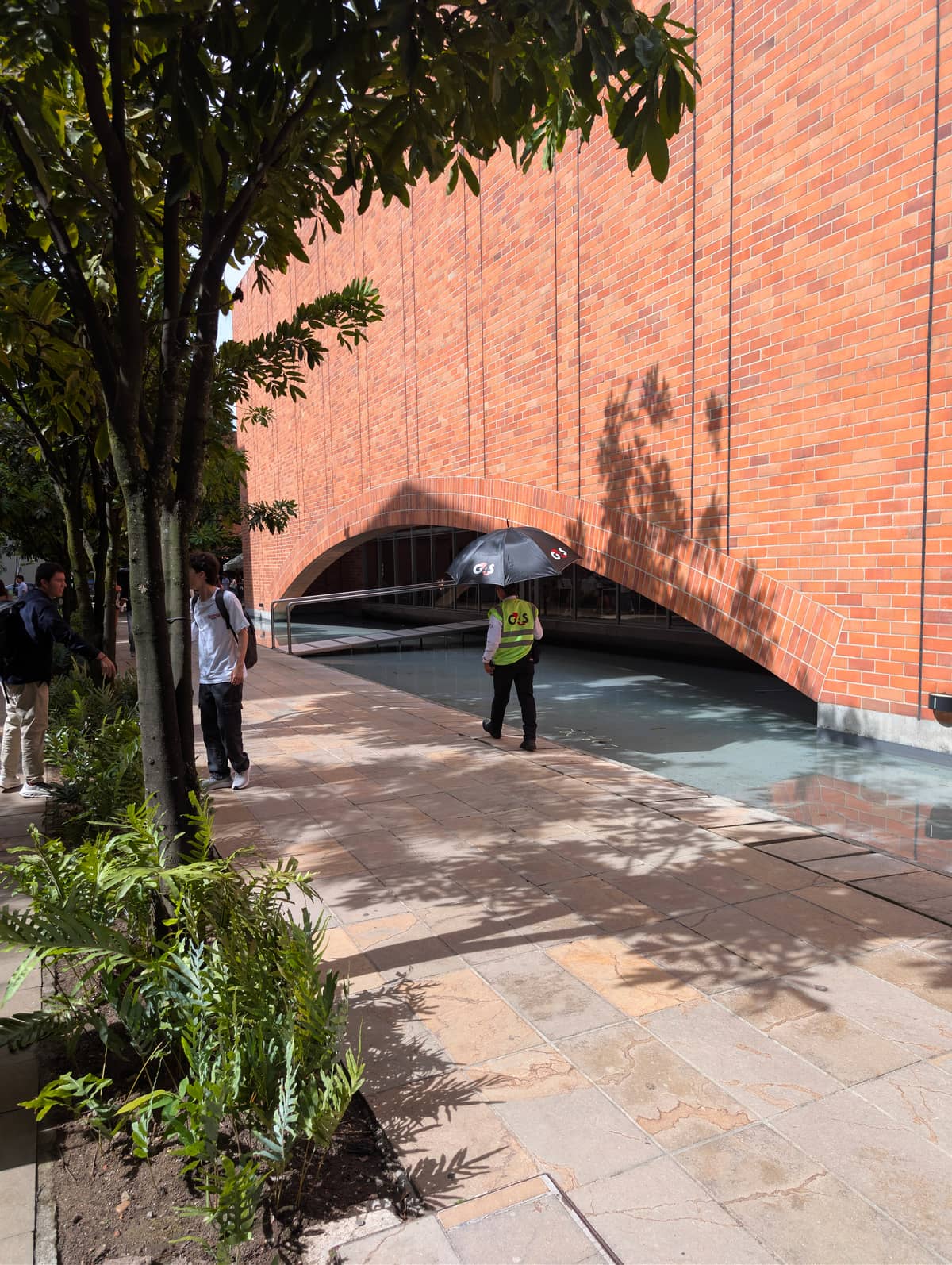
A university as a park and a cinema in a mall
The EAFIT campus, which you can simply walk into, with mango trees, water along brick walls and birds in the middle of the city. And in the evening, the oldest mall in El Poblado, the first in Colombia to have its own cinema.
3 September · Article · El Poblado, Medellín
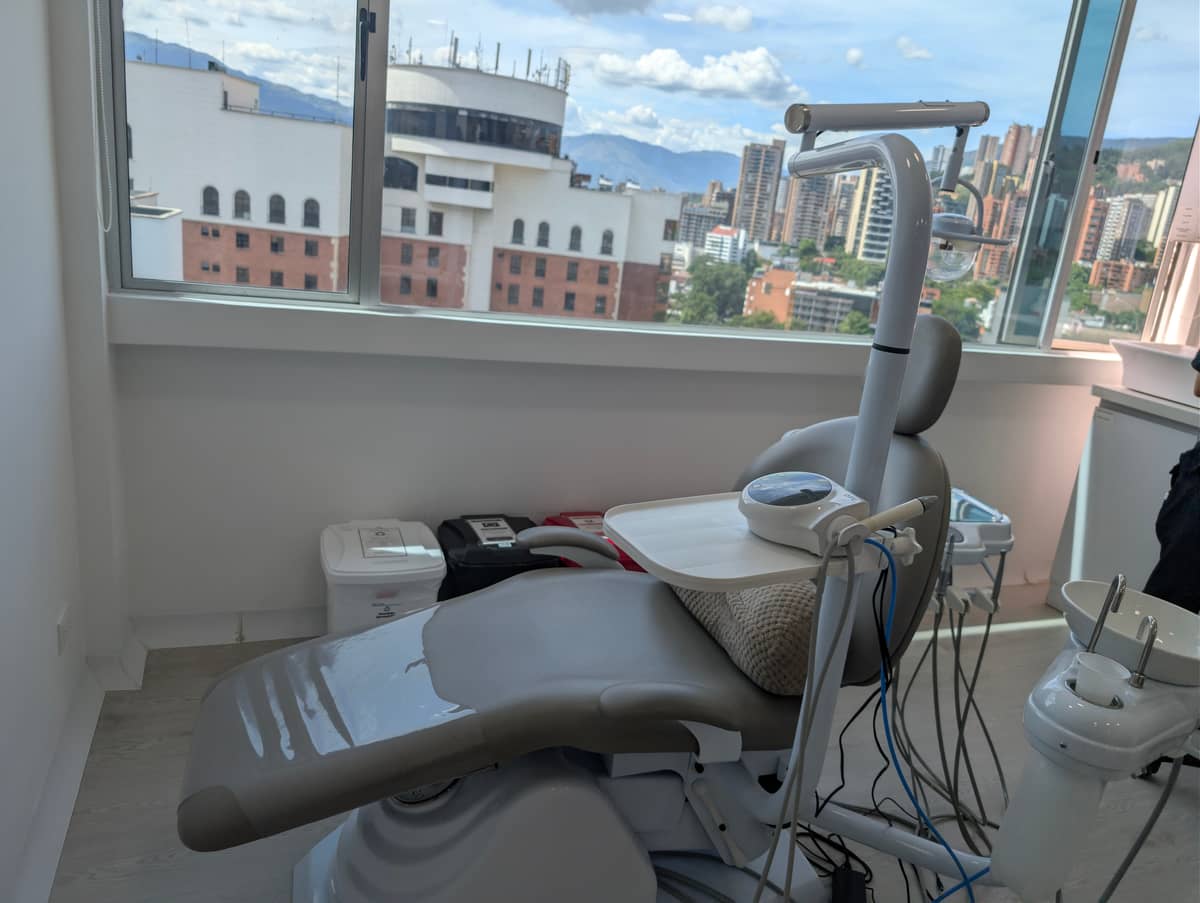
A dentist with a view
A tower full of consulting rooms in El Poblado, a restaurant on the ground floor, and a dentist's chair a metre from a glass wall with the whole Medellín valley behind it. What private care in Colombia looks like to a patient who arrived a month ago.
2 September · Note · Laureles, Medellín

2 September · Article · Laureles, Medellín
Laureles: a neighbourhood drawn in circles
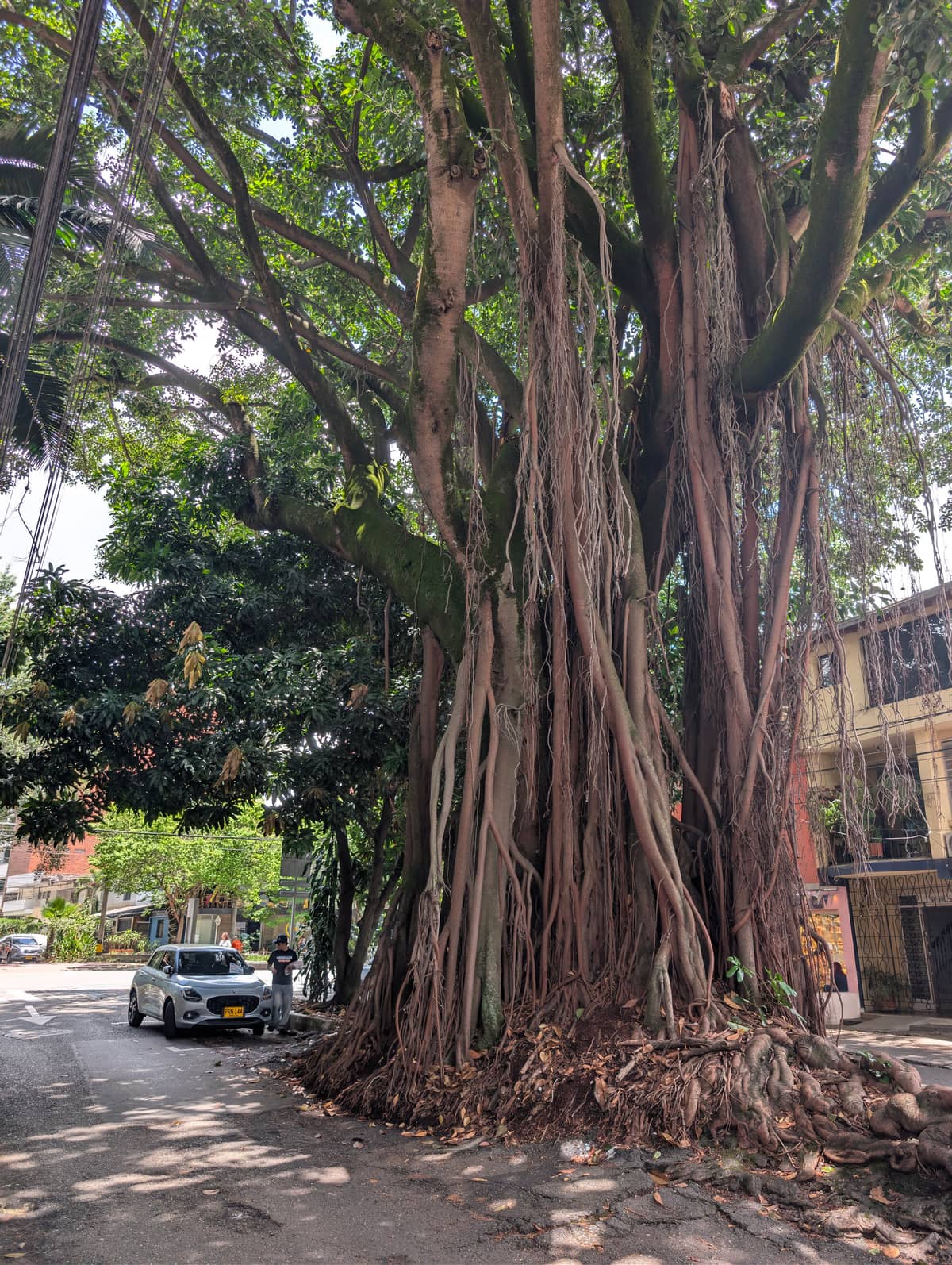
A garden city from 1940 with circular streets, fig trees across the whole road, and cafés you can work from. The neighbourhood Medellín recommends to itself, and the one Time Out called the best in the world.
August
2026
1 entry
31 August · Article · Conquistadores, Medellín
Where I live: Conquistadores
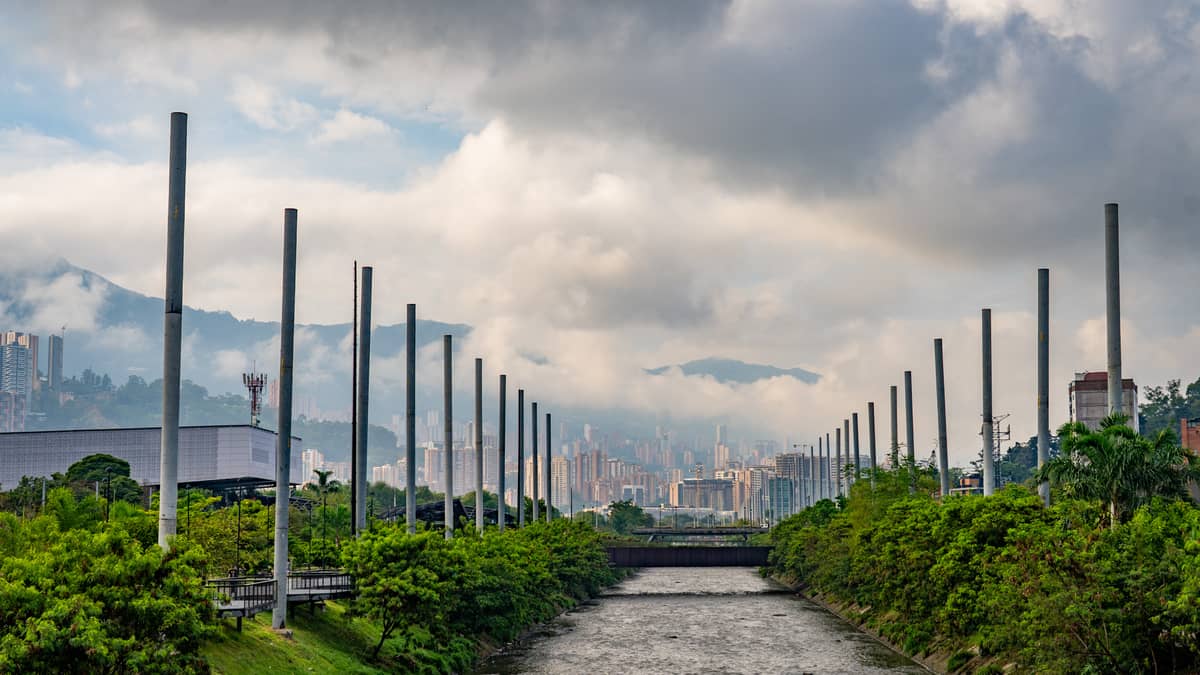
A neighbourhood between the river and Laureles that nobody writes about. Dogs on every corner and clean pavements, greenery that is not an accident, a bridge to the Barefoot Park, and seventies buildings among the palms.
Questions and answers
What do you want to ask?
Ask anything about this topic. I answer, and the answer stays here so the next person who wonders the same finds it.