Practically · Spanish
How much Spanish do you actually need?
English works in a hotel and in Poblado, nowhere else. A2 is enough to live on, and from B1 the country opens up differently. Colombian pronunciation is among the clearest anywhere, though in Antioquia even friends get the formal usted. A private tutor costs around 36,000 pesos an hour and the first one is usually free.
Checked 1 September 2026
There is a short answer to how much Spanish you need: more than you expect, and less than you fear.
Colombia is not a country where English gets you through. In Medellín, English is spoken by hotel receptionists, by young people in Poblado and by part of the tech crowd. Everyone else, meaning the taxi driver, the shop assistant, the building manager, the clerk, the doctor in the emergency room and your neighbour, speaks Spanish and expects nothing else from you.
At the same time it is one of the friendliest language environments I know. Colombians are used to foreigners, they slow down, they repeat, and they praise every sentence you put together. The difference against Spain or Argentina shows on day one.
How much is enough to start
It splits into three levels, each opening a different door:
Fifty words and six sentences. Shopping, a taxi, ordering food, greetings. That is learnable on the flight over and it covers tourism. With less you will manage too, you will just pay more for everything and miss a lot.
Roughly A2. You can deal with a landlord, explain in the pharmacy what hurts, and understand what an official wants from you. This is where life without an interpreter begins, and it is the level worth aiming at before you move.
B1 and up. You stop being a tourist. You talk to people about something other than the weather, and Colombia opens up differently, because the friendliness here runs on talking.
What Colombian Spanish is like
Good news for a beginner: Colombian pronunciation is among the clearest in the Spanish speaking world. Syllables are not swallowed the way they are in the Caribbean, endings survive, and the speed is bearable. Textbook Spanish actually works here.
What will catch you out:
- Usted instead of tú. In Antioquia people use the formal form with friends, children and the dog. It sounds stiff and it is simply how people talk. Using tú is not rude, it just marks you as foreign.
- Diminutives everywhere. Ahorita, tintico, momentico. Not childish, it is politeness.
- Paisa vocabulary. Parce is mate, bacano is great, chévere is good, a la orden you will hear a hundred times a day and it means "at your service". Qué pena apologises for everything.
- Ustedes, not vosotros. The forms drilled into you by European textbooks are never used here.
The most useful sentence of your first week is not a greeting. It is "¿Me lo puede repetir más despacio, por favor?" They will repeat it, and slower, without exception.
How to learn here
A private tutor is the fastest route. In Medellín an hour averages 36,000 pesos, and on tutoring platforms you can find from 15,000. Most tutors give the first hour free, so you can try several people before choosing.
A language school. Intensive courses start around 250 dollars a week, which is an order of magnitude more than private lessons; you are paying for structure and classmates. If you come for a month specifically for the language, you also get a programme and people.
Language exchange (intercambio). Free, and Medellín has plenty: bars and cafés run evenings where you speak Spanish for an hour and English for an hour. It is the best way to lose the fear of speaking and the worst way to learn grammar.
Apps and listening. They work as a side dish, not the main course. The best ratio of use to time is Colombian podcasts and radio while cooking: your ear gets used to the melody long before your mouth starts working.
What to learn before you fly
If I were doing it again, I would focus on this:
- Numbers and money. Prices are quoted in thousands and fast. Veinticinco mil is 25,000, not 25.
- Questions, not answers. Dónde, cuánto, cómo, hay. Ask well and you get an answer even without vocabulary.
- The politeness wrapper. Buenos días, por favor, muchas gracias, qué pena. Without it you are rude here even when you do not mean to be.
- The menu. Ten words across the three courses solve three meals a day.
- Emergency sentences. Necesito ayuda, me robaron, llame a una ambulancia. I hope you never use them.
What to avoid
Falling back into English out of habit. Surround yourself with foreigners in Poblado and you leave after a year with the Spanish you arrived with. I know people like that and none of them are happy about it.
Being embarrassed. Nobody cares about a wrong gender on a noun. Silence they do notice.
Translating from your own language in your head. What comes out is a sentence nobody understands. Better to simplify the thought down to what you can actually say.
Leaning on a translation app in a shop. It works, and it kills the conversation. Save it for paperwork and contracts, where it helps and nobody is in a hurry.
What it costs
All prices- Pošta, 8.6 kg balík, 230 km70 000 COPabout 22 USD2 September
What I wrote about it
September
2026
17 entries
10 September · Article
Driving in Medellín: the day of the week your car stays home
The last digit of your number plate keeps the car off the streets one day a week, from five in the morning to eight in the evening, across the whole valley. Plus the licence that expires after six months, a fine over six hundred thousand pesos, and road death figures that make me uneasy.
10 September · Article · La Candelaria, Medellín
No water after eight in the evening. What is going on in Medellín
Three hundred thousand people in six communes have had water every other day since late August. The city broke its temperature records in May, Ideam expects a strong El Niño into March, and the grid operator warns that power may not stretch through December. What the rule says, why it landed on the hillsides, and what it means for a trip.
10 September · Article · La Casa del Alimento, Medellín
A lunch where the meat dries on a washing line
A Colombian lunch is not one dish, it is a whole set for one price. Two mains, two desserts, two coffees and a lemonade came to 146,000 pesos. And in that restaurant's yard, beef hangs drying.

10 September · Article · Conquistadores, Medellín
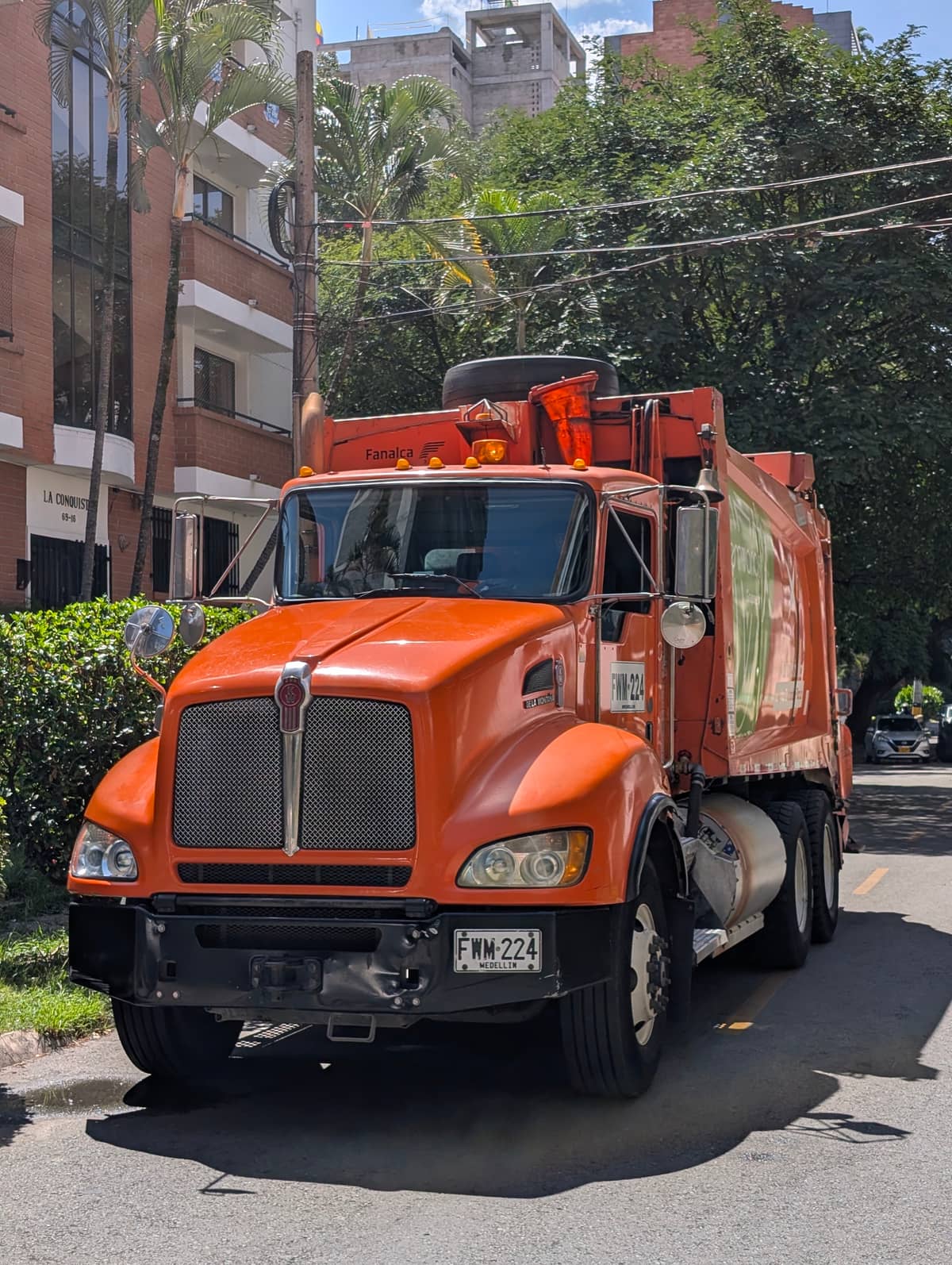
The bin men of Medellín
A garbage truck with a slogan saying this city is a little silver cup. Who runs it, where the waste goes, why the landfill has eight years left, and how the people who open bags on the street come to be paid out of the water bill.
10 September · Article · Comuna 8, Villa Hermosa, Medellín
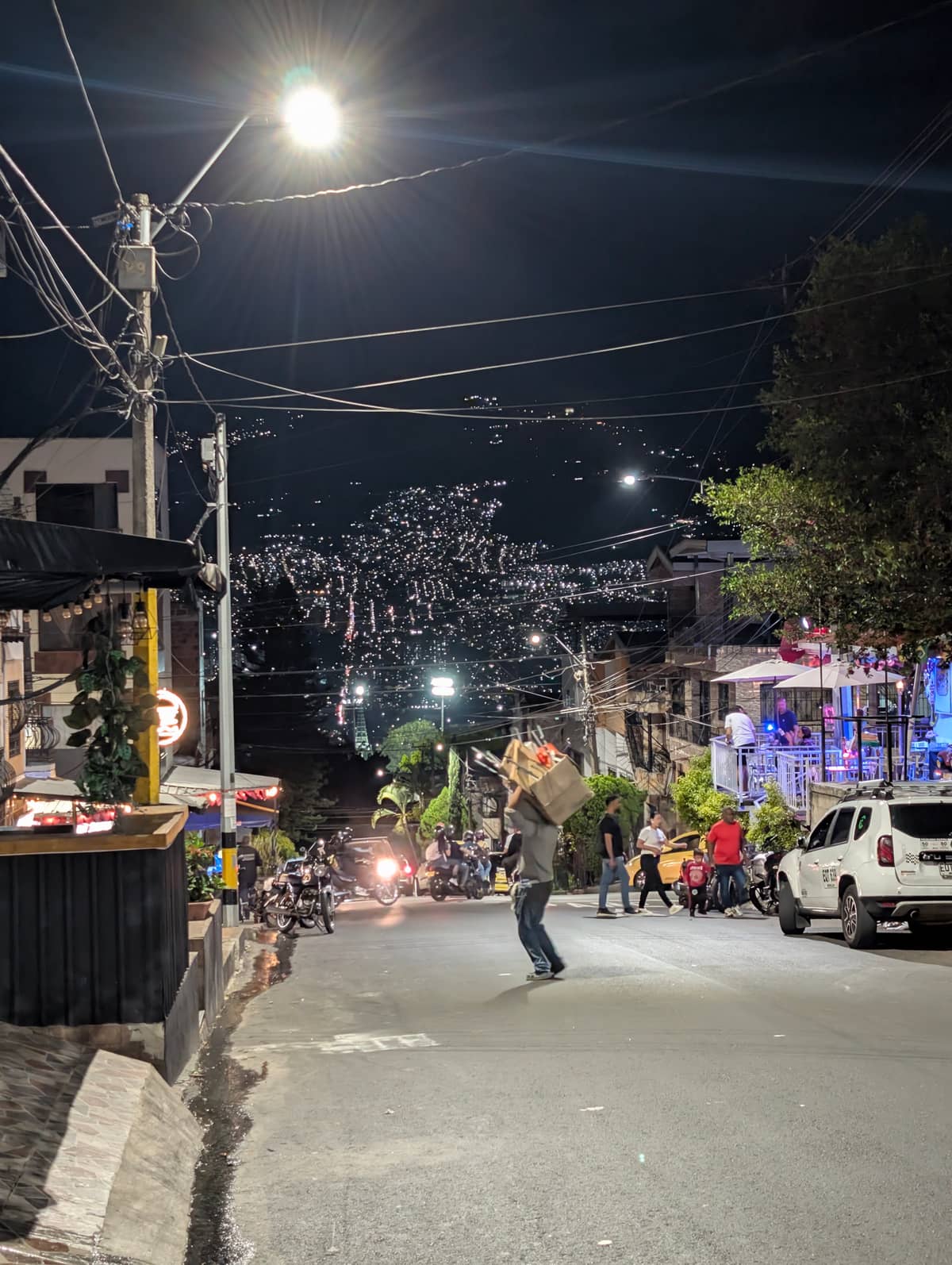
Villa Hermosa after dark
A house with almost no windows, hot rice pudding with cheese, and a slope full of lights right up to the ridge. And the only thing that made me uneasy was not what someone who has read about comuna 8 online would expect.
8 September · Article · El Poblado, Medellín
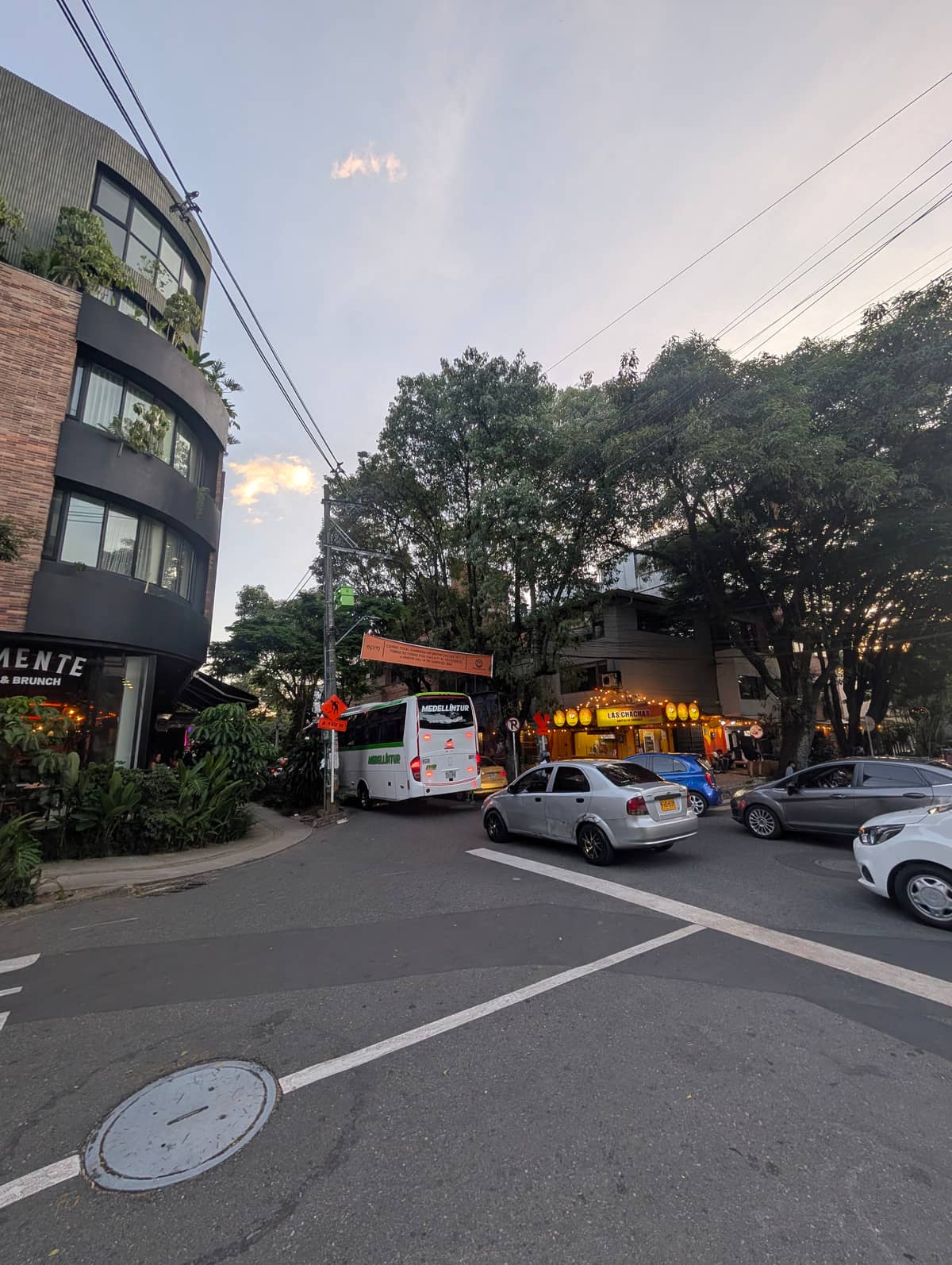
El Poblado after dark
The district where Medellín was founded in 1616 and where almost everybody who flies into the city now sleeps. Provenza with lights in the trees, the singer Karol G's restaurant, a road sign saying tourist zone, and a bill that sums it all up.
8 September · Note · La Candelaria, Medellín
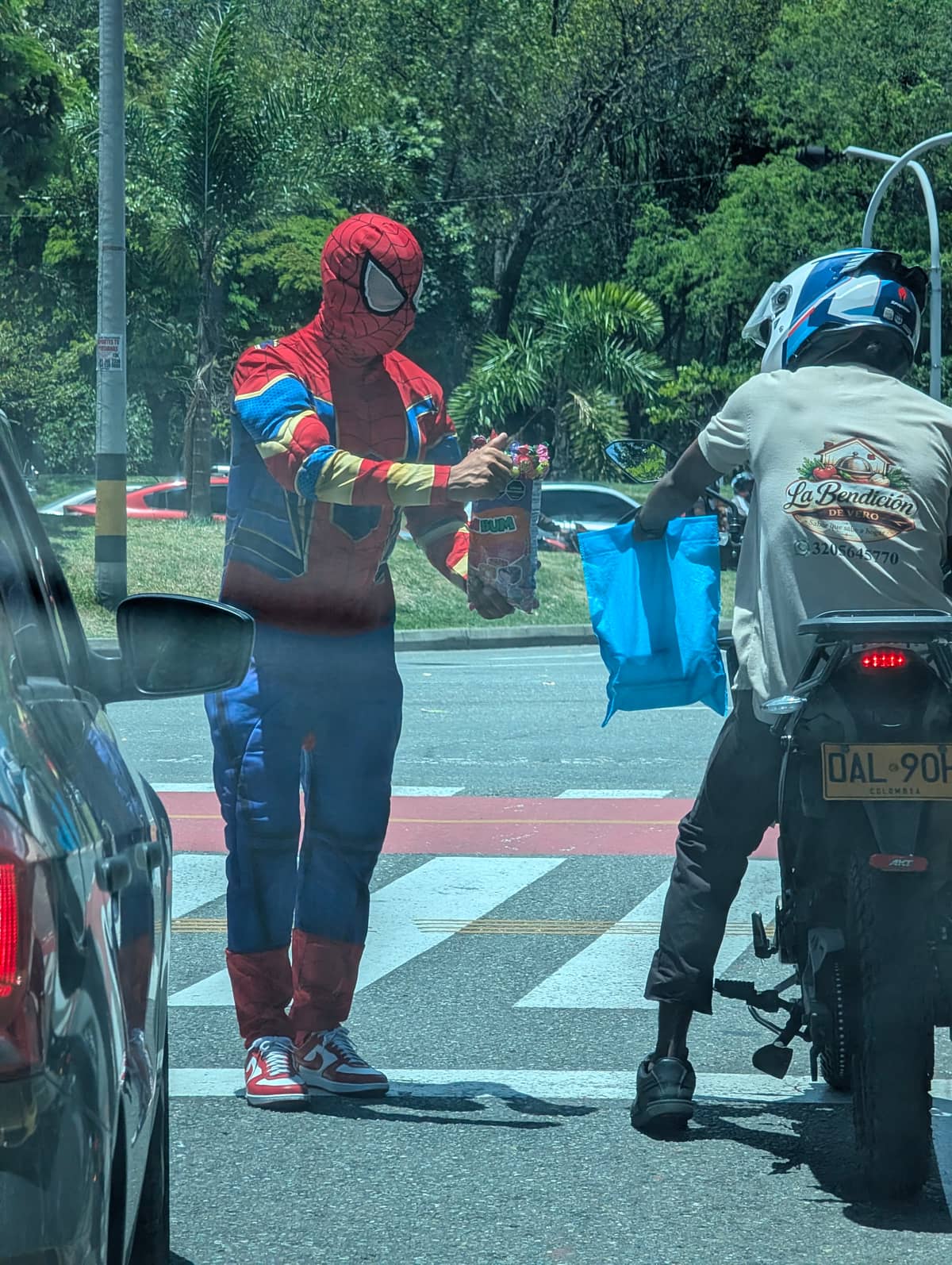
At a junction on Carrera 55, Spider-Man stands at a red light selling…
At a junction on Carrera 55, Spider-Man stands at a red light selling sweets between the cars. A motorbike rider behind him, a water stall beside him.
8 September · Note · Café Mattelsa, Medellín
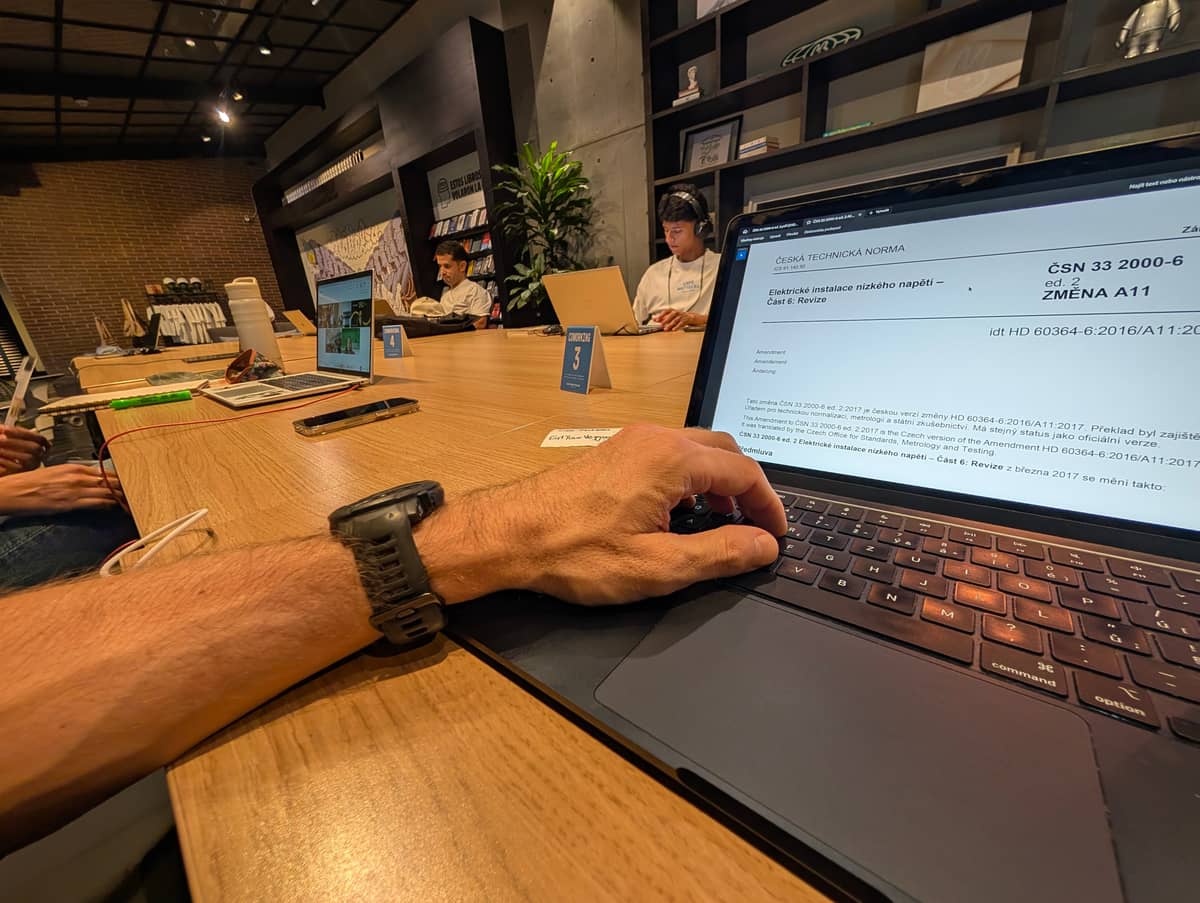
Café Mattelsa, two hours, one coffee and a kombucha. A Czech standard…
Café Mattelsa, two hours, one coffee and a kombucha. A Czech standard for electrical installations on the screen, a palm tree outside the window, people with laptops all around, and nobody making a…
7 September · Note
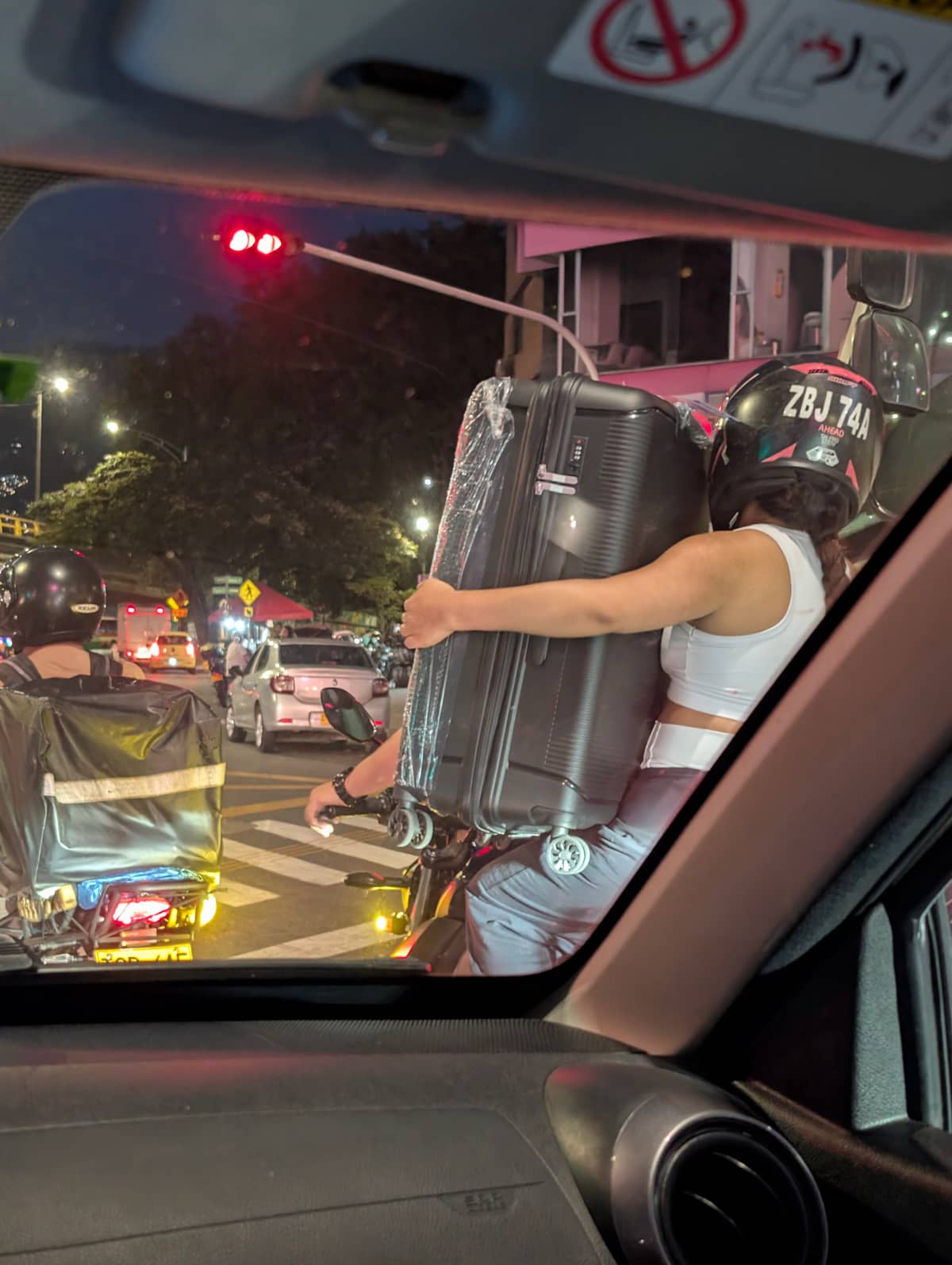
A pillion passenger on a motorbike carrying a large wheeled suitcase…
A pillion passenger on a motorbike carrying a large wheeled suitcase. One arm clamped around it, the other around the rider, knees against the tank, riding in traffic between the cars.
6 September · Article · Comuna 8, Villa Hermosa, Medellín
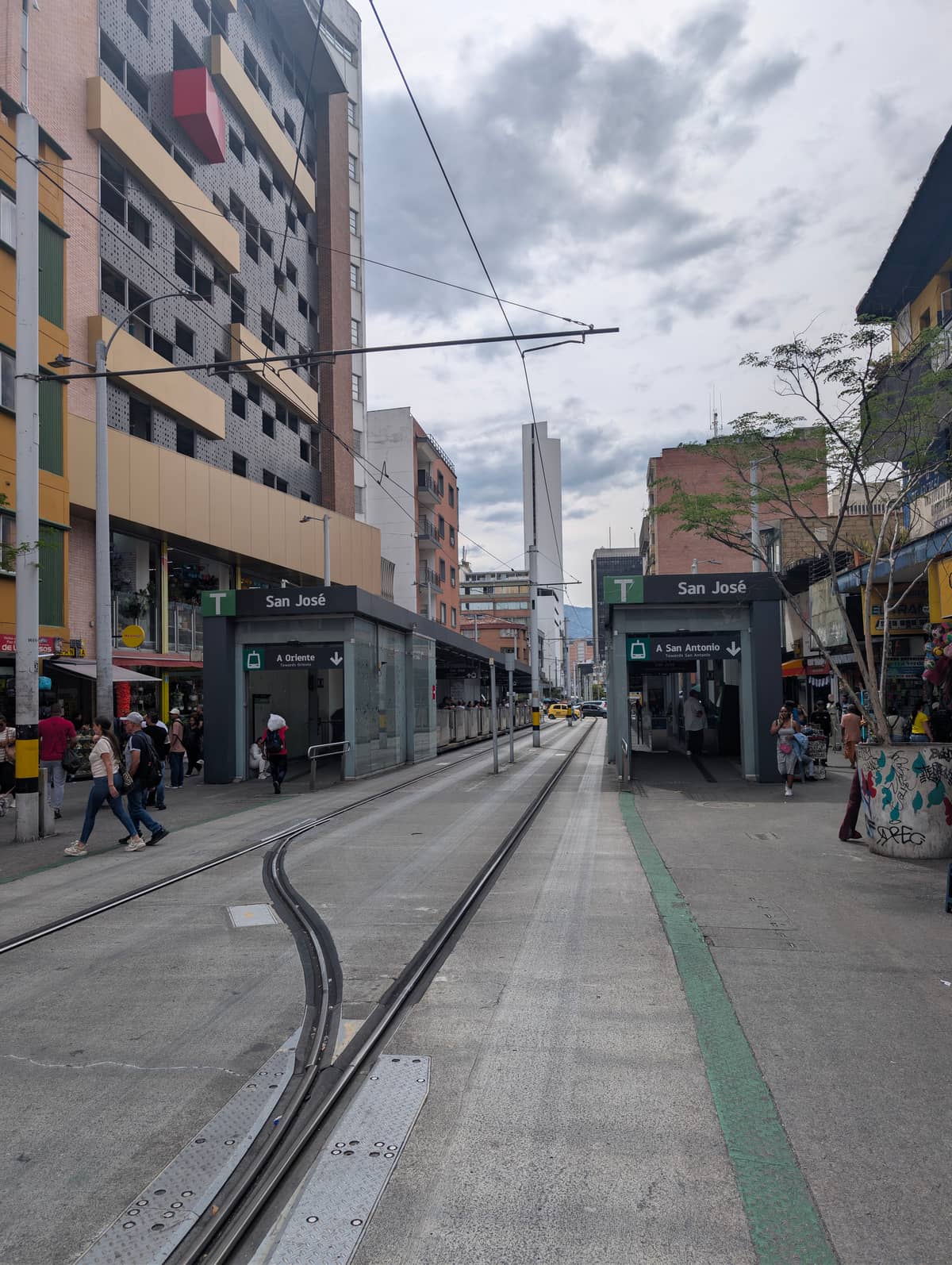
Up by cable car, down for an arepa
A tram on rubber tyres takes you from the centre to the edge of the city, and a cable car lifts you from there over the roofs of comuna 8. Back down there was an arepa festival, parakeets in a tree, a café in the house by the church, and a concert hall underground.
6 September · Article · La Candelaria, Medellín
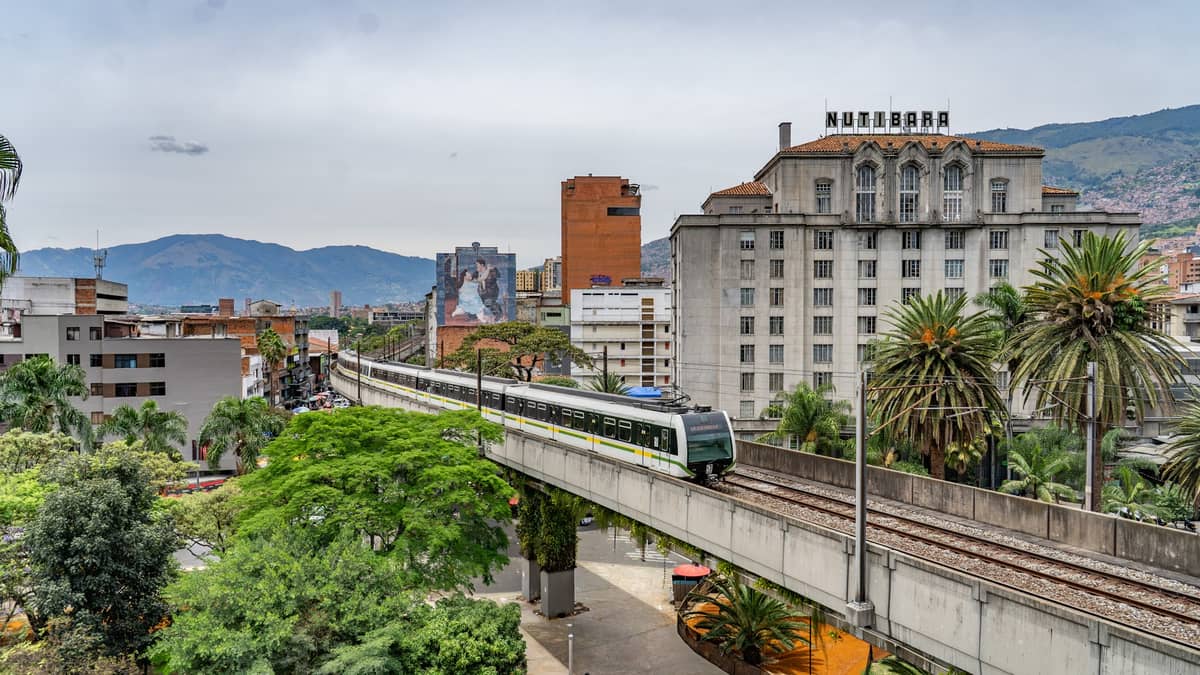
El centro: the day I finally saw the city
Every second person told me not to go into the centre of Medellín. I went by metro, cleaner than the one at home, and found a palace with a chequerboard facade, twenty three Botero sculptures, a cathedral made of a million bricks, and a market that has run since the seventies.
5 September · Note
The botanical garden was closed. Not for a holiday or repairs: they…
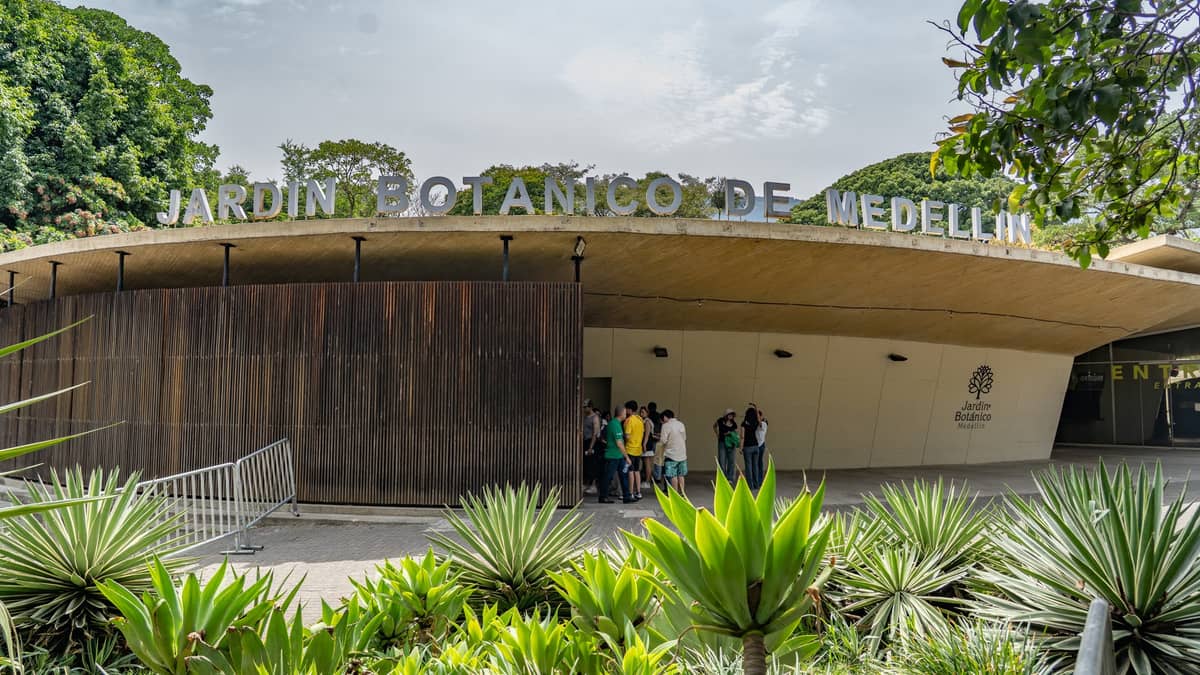
The botanical garden was closed. Not for a holiday or repairs: they are building the Fiesta del Libro y la Cultura inside it, the city's book festival, in its twentieth year and running from 11 to 20…
4 September · Article · Comuna 8, Villa Hermosa, Medellín
Villa Hermosa: lunch, a church and a market
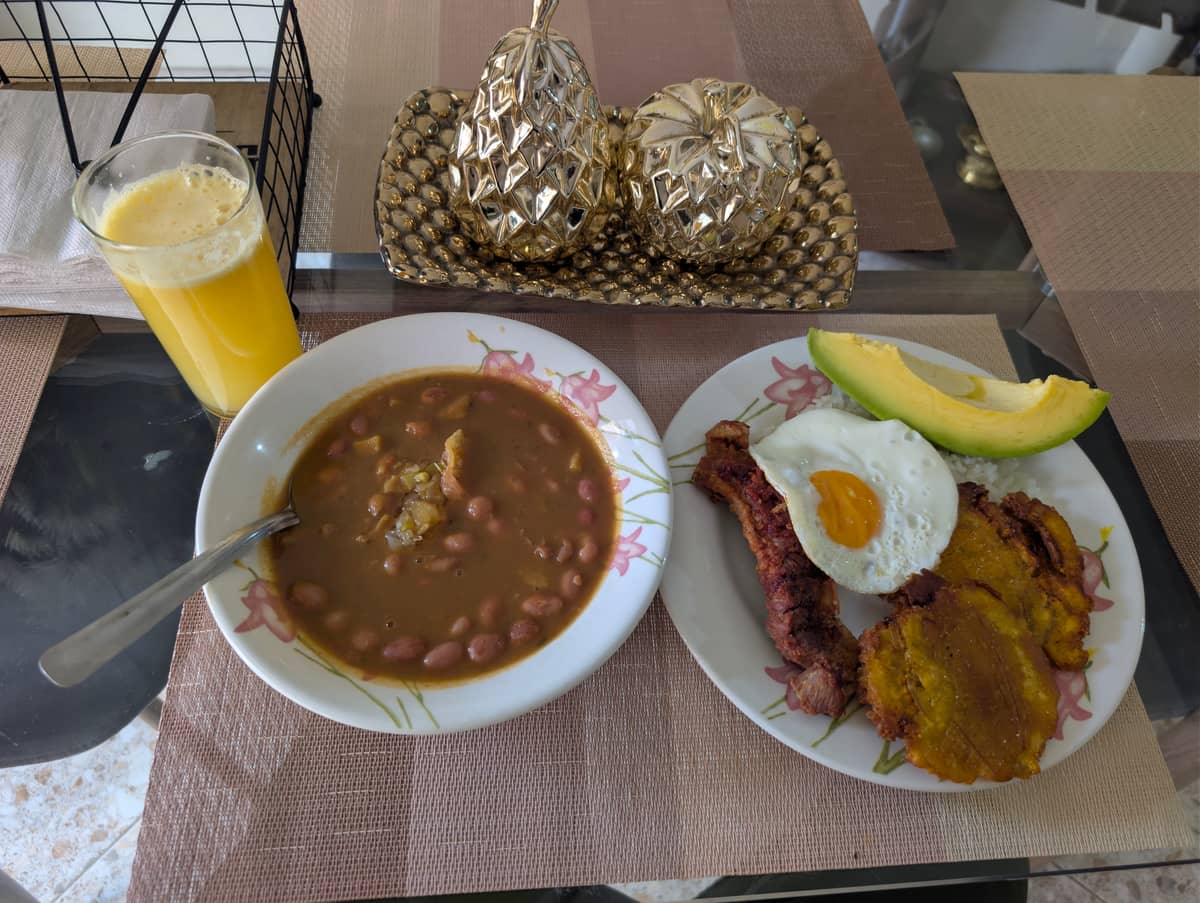
Comuna 8 up close, not from the cable car. A home cooked bandeja paisa with chicharrón, the brick church of La Sagrada Familia, stalls on the pavement, and traffic that runs on eye contact. On the way back, a stop among the villas of Prado.
3 September · Article · El Poblado, Medellín
A university as a park and a cinema in a mall
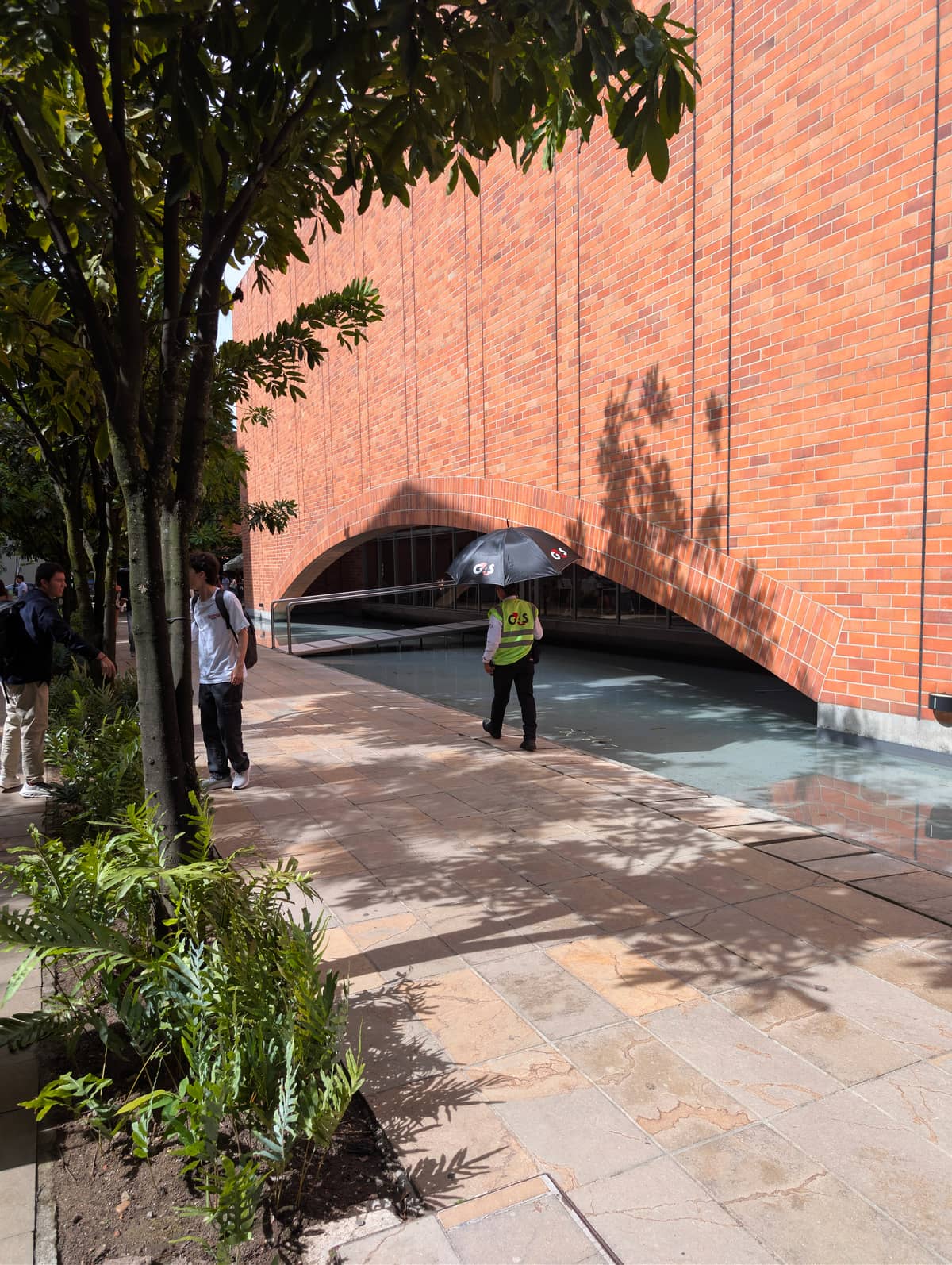
The EAFIT campus, which you can simply walk into, with mango trees, water along brick walls and birds in the middle of the city. And in the evening, the oldest mall in El Poblado, the first in Colombia to have its own cinema.
3 September · Article · El Poblado, Medellín
A dentist with a view
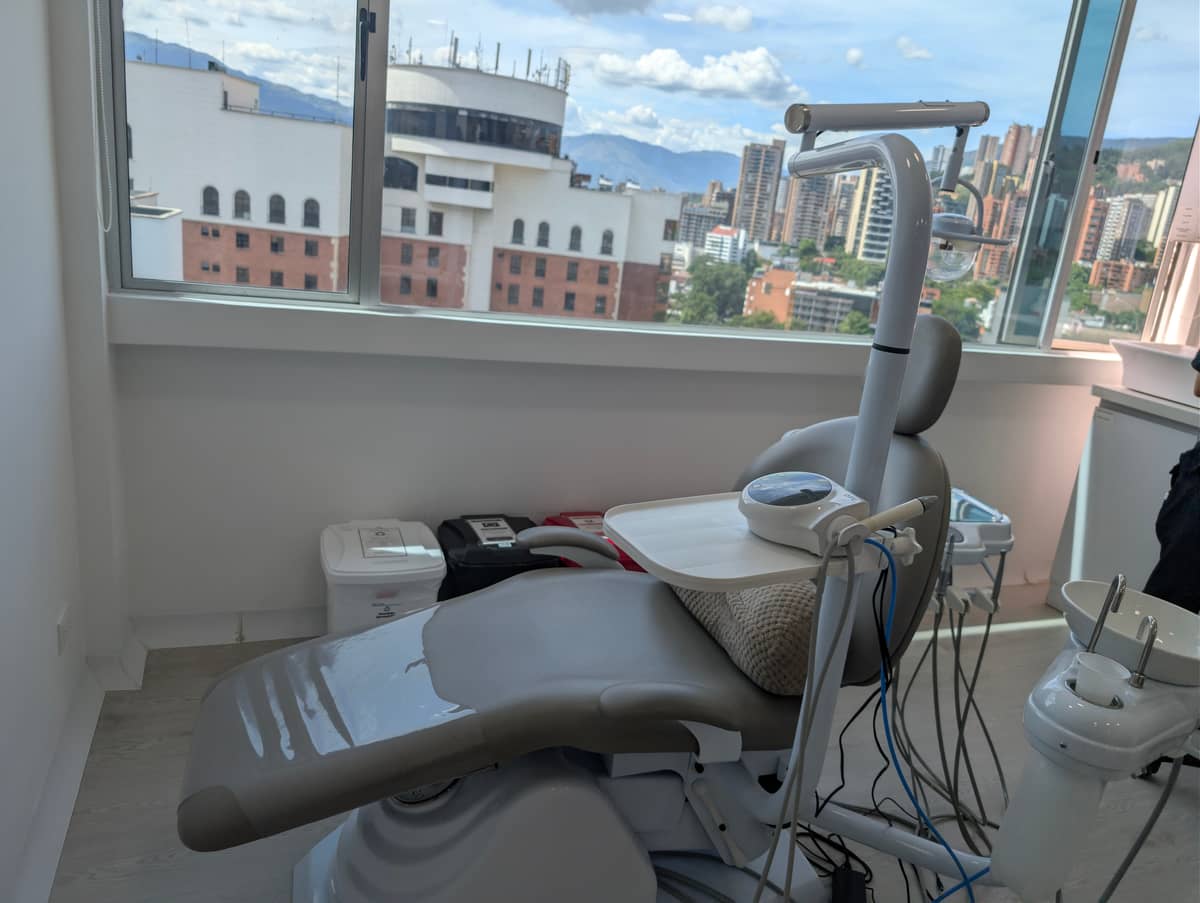
A tower full of consulting rooms in El Poblado, a restaurant on the ground floor, and a dentist's chair a metre from a glass wall with the whole Medellín valley behind it. What private care in Colombia looks like to a patient who arrived a month ago.
2 September · Note · Laureles, Medellín

2 September · Article · Laureles, Medellín
Laureles: a neighbourhood drawn in circles
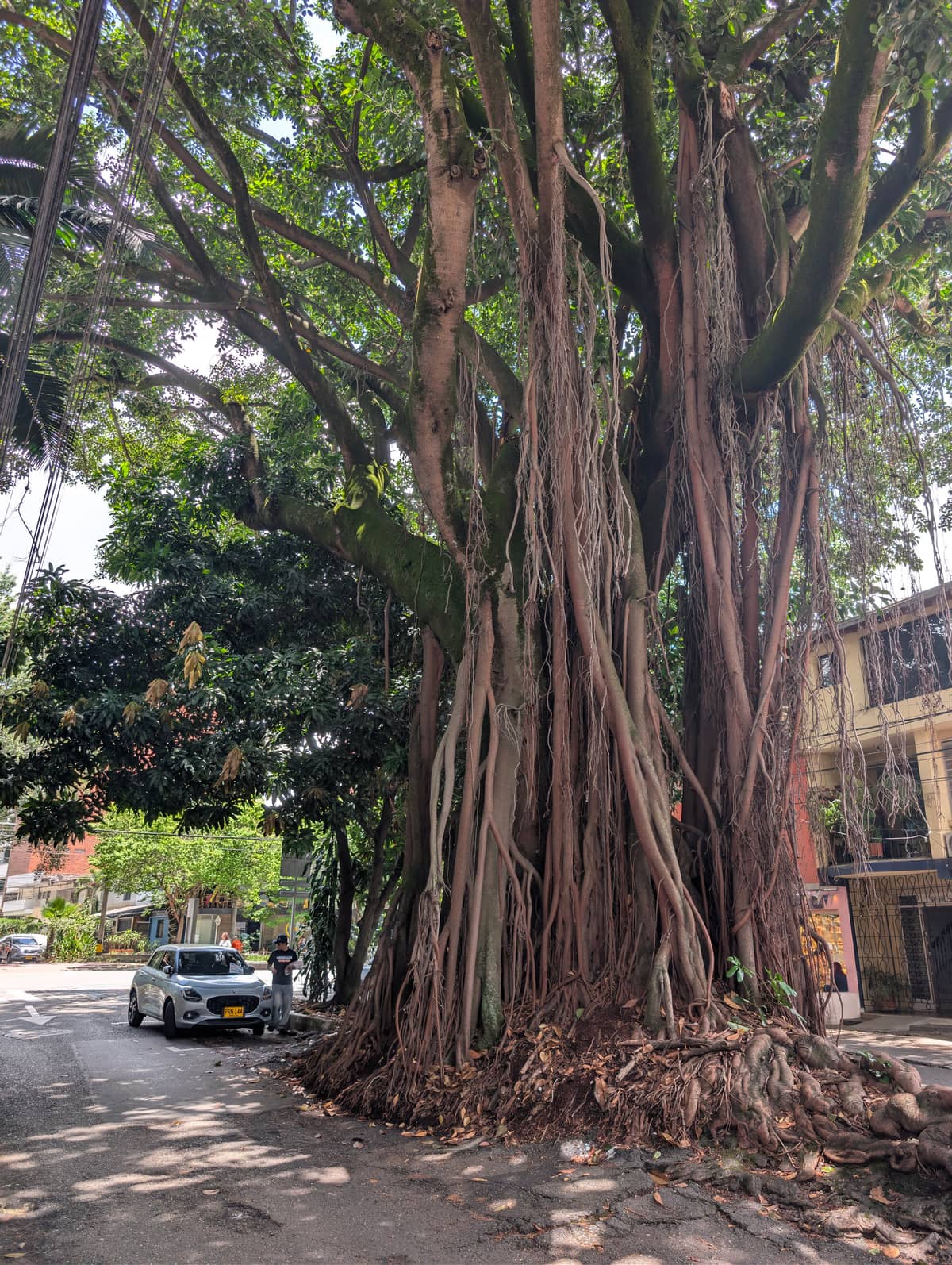
A garden city from 1940 with circular streets, fig trees across the whole road, and cafés you can work from. The neighbourhood Medellín recommends to itself, and the one Time Out called the best in the world.
August
2026
2 entries
31 August · Article · Conquistadores, Medellín
Where I live: Conquistadores
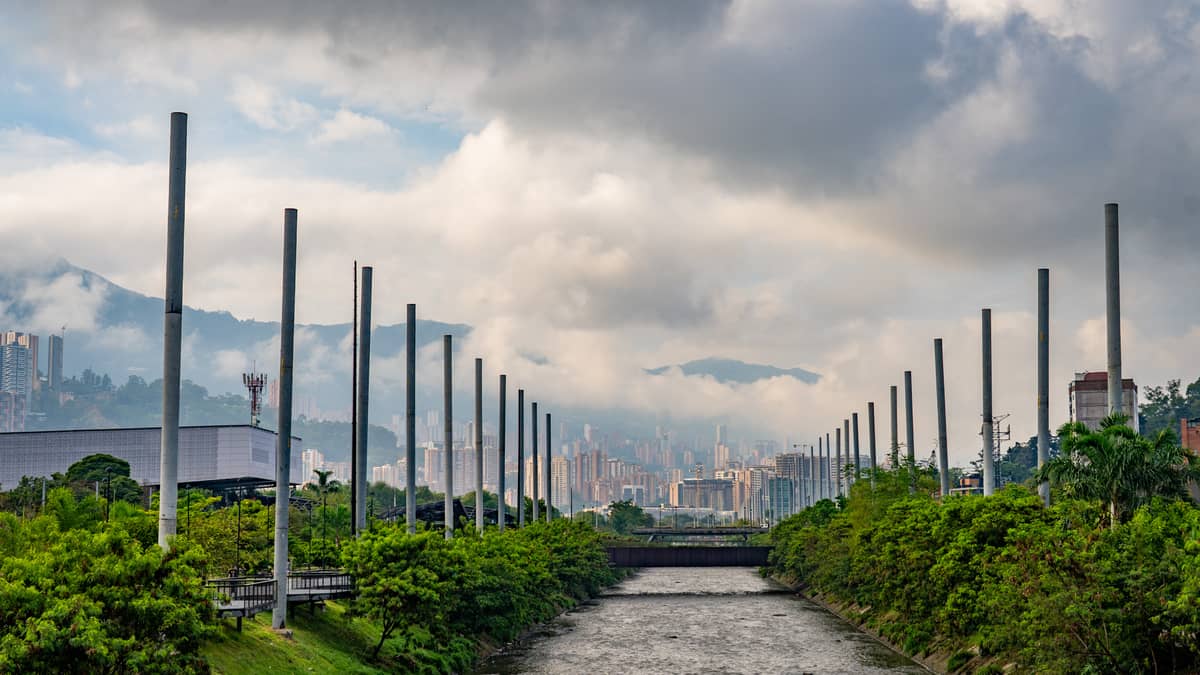
A neighbourhood between the river and Laureles that nobody writes about. Dogs on every corner and clean pavements, greenery that is not an accident, a bridge to the Barefoot Park, and seventies buildings among the palms.
26 August · Note
English
Forget about English. In Medellín you will get by in English almost nowhere. Only a small minority speaks it, mostly people higher up the ladder or those who work abroad or with foreign clients.
Frequently asked
Can I get by in English in Medellín?
In a hotel, in a decent restaurant in Poblado and with younger people, yes. With a taxi driver, a building manager, a pharmacy, an office or a neighbour, no. It survives a short visit; it does not survive living here.
What level of Spanish do I need to live here?
About A2. At that level you can handle a landlord, explain in the pharmacy what hurts, and follow what an office wants from you. From B1 the country opens up differently, because the friendliness here runs on talking.
What does an hour of Spanish cost in Medellín?
A private tutor averages 36,000 pesos an hour, and on tutoring platforms you can find them from 15,000. Most give the first hour free. An intensive course at a language school starts around 250 dollars a week.
Is Colombian Spanish different from the textbook version?
The pronunciation is among the clearest in the Spanish speaking world, so textbook Spanish works here. The differences: in Antioquia the formal usted is used even with friends, ustedes replaces vosotros, and speech is full of diminutives and words like parce, bacano or qué pena.
What should I learn first?
Numbers, because prices are quoted in thousands and fast. Then questions (dónde, cuánto, cómo, hay), the politeness wrapper, and ten words from a menu. Plus one extra sentence: ¿Me lo puede repetir más despacio, por favor?
Questions and answers
What do you want to ask?
Ask anything about this topic. I answer, and the answer stays here so the next person who wonders the same finds it.